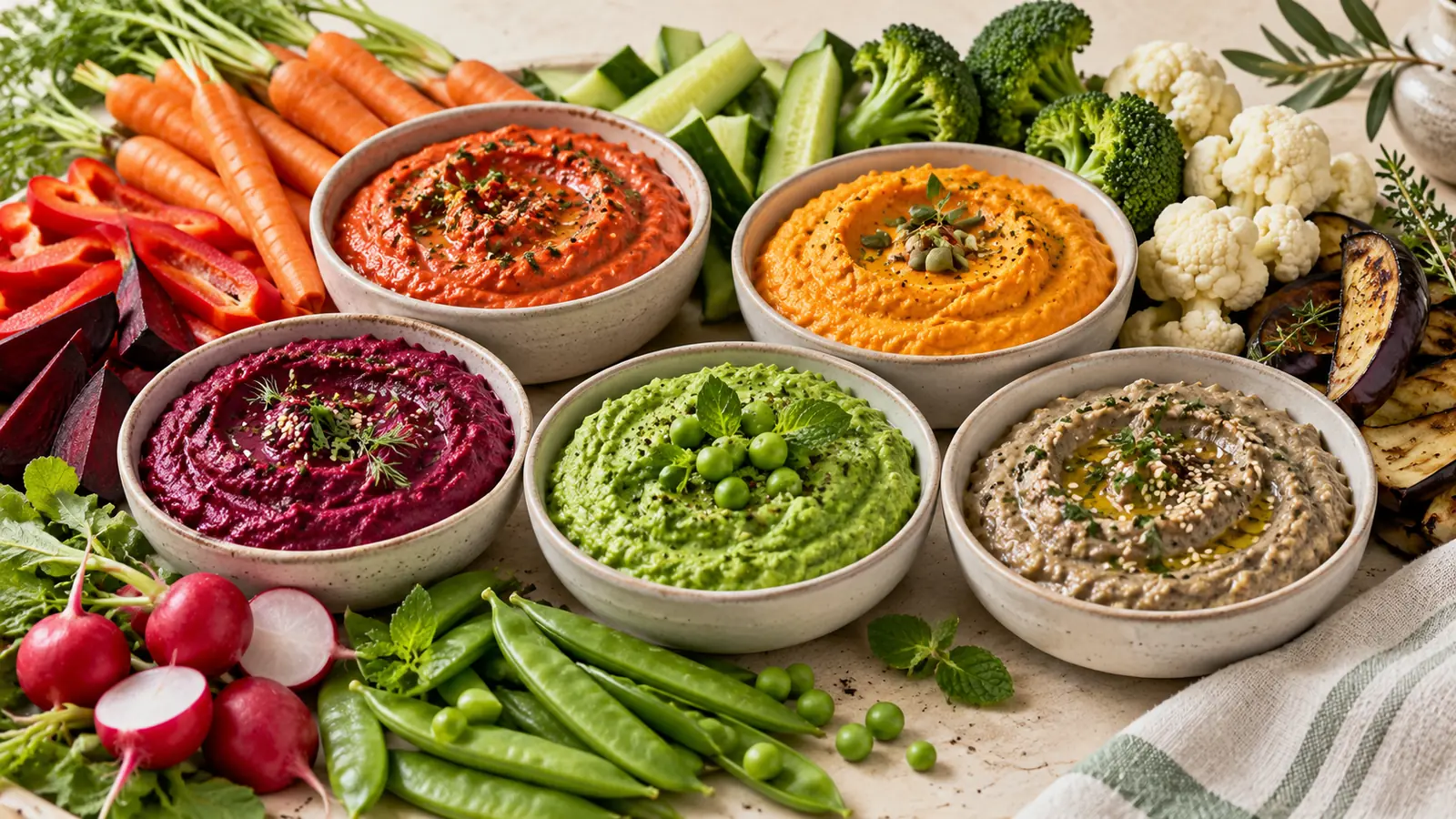
Vegetables can be more than the thing you dip. Roasted, steamed, or raw vegetables can become the base of colorful spreads with distinctive flavors and naturally varied textures.
Vegetable-based dips put produce inside the dip instead of serving it only on the side. This page is a recipe directory, not one giant recipe: choose the flavor and texture you want, then follow the dedicated article for exact ingredients and instructions.
Some recipes use supporting ingredients such as beans, tahini, cream cheese, sour cream or feta. A vegetable-based dip does not automatically mean vegan, dairy-free or suitable for every diet.
12 vegetable-based and produce-forward dips
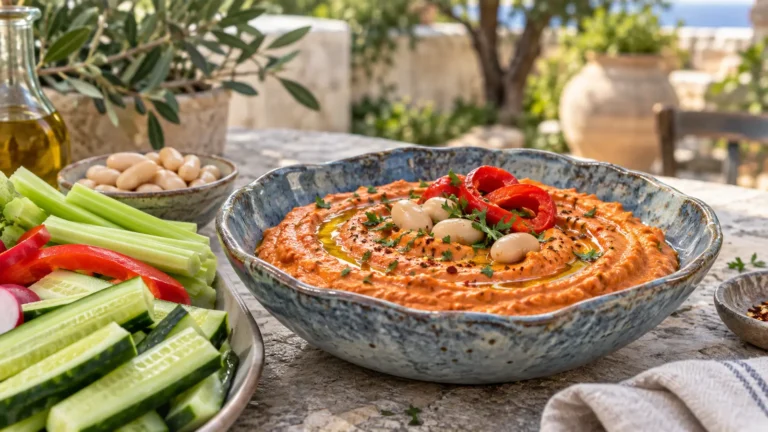
1. Creamy Roasted Red Pepper White Bean Dip
Roasted red peppers provide the orange-red color and sweet roasted flavor while cannellini beans add body. Get the recipe →
2. Roasted Carrot Tahini Dip
Roasted carrots remain the defining ingredient; tahini provides secondary sesame flavor and creamy body. Get the recipe →
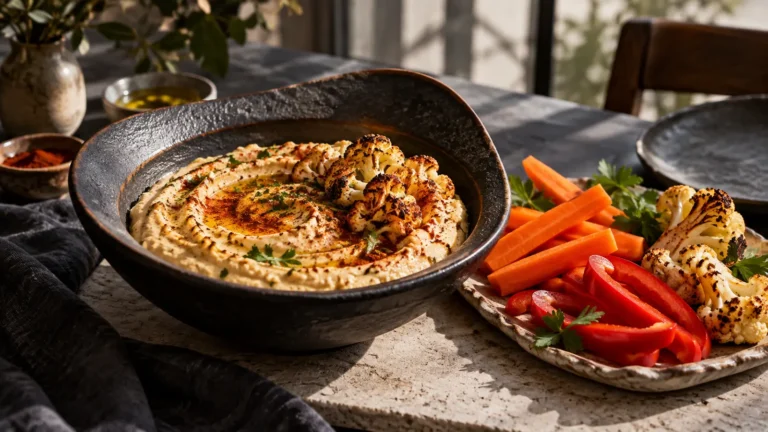
3. Spicy Roasted Cauliflower Dip
Cauliflower is roasted until completely tender, then blended with a small amount of tahini, smoked paprika, cumin and controlled cayenne. Get the recipe →
4. Creamy Beet and Feta Dip
Roasted beets provide vivid color and earthy sweetness while feta adds salty contrast. Get the recipe →
5. Pea and Mint Dip
Green peas, fresh mint, lemon and olive oil make a bright dairy-free dip. Green peas are legumes botanically. Get the recipe →
6. Spinach Dip Without Mayo
Well-drained spinach is folded into a cream-cheese and sour-cream base without mayonnaise. Get the recipe →
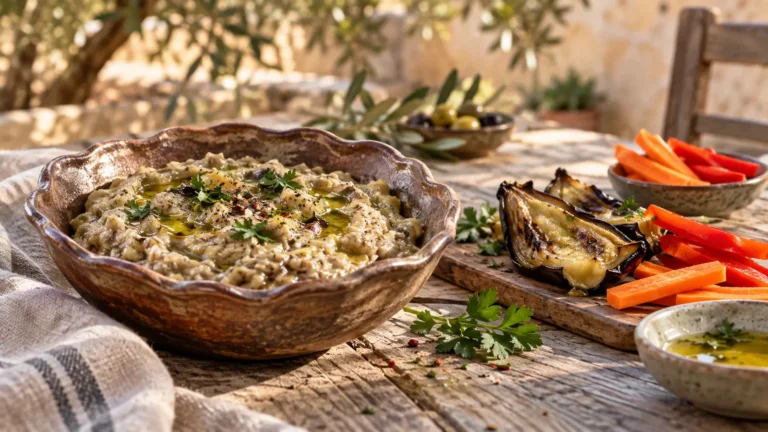
7. Eggplant Dip Without Tahini
Very soft roasted eggplant provides the body, with olive oil, lemon, garlic and cumin—no tahini. Get the recipe →
8. Roasted Corn Poblano Dip
Charred sweet corn and roasted poblano are combined with a modest cream-cheese and sour-cream base while some kernels stay whole. Get the recipe →
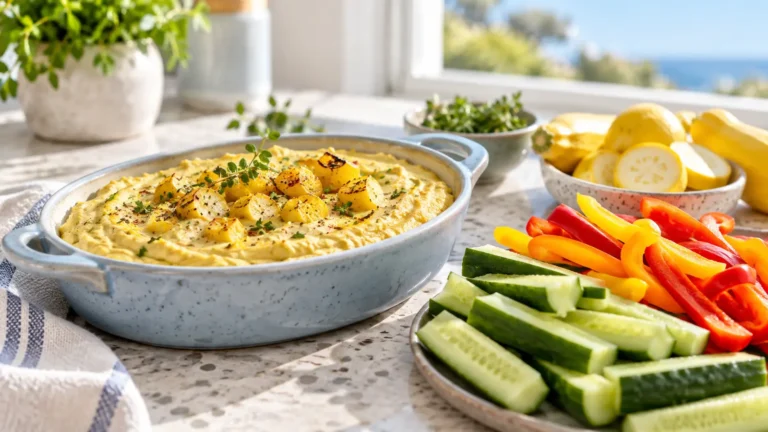
9. Creamy Roasted Yellow Squash Dip
Yellow summer squash is roasted until very tender and visibly reduced in moisture before processing. Get the recipe →
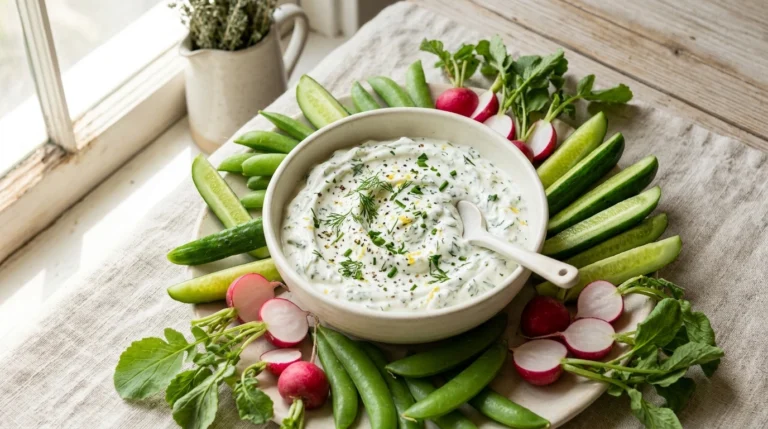
10. Creamy Cucumber Dill Dip
Grated cucumber is salted, rested and squeezed before being folded into a cream-cheese and sour-cream base with dill. Get the recipe →
11. Roasted Garlic White Bean Dip
Cannellini beans and a full head of roasted garlic create a pale, garlic-forward dip with rosemary. Get the recipe →
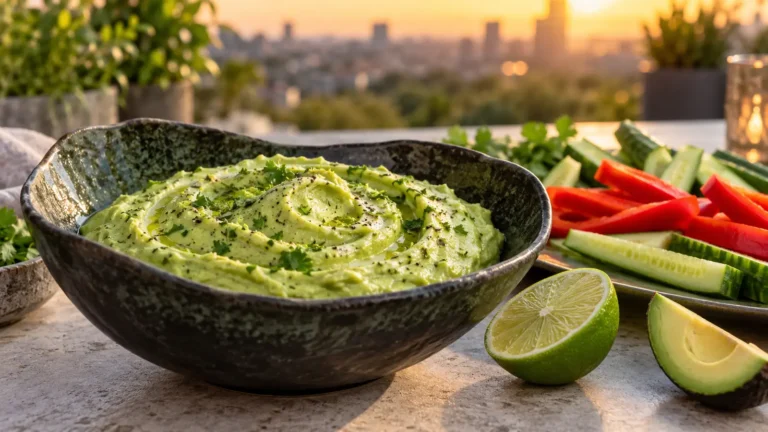
12. Creamy Avocado Lime Dip
Avocado is botanically a fruit, so this is best described as a produce-forward dip designed for vegetables. Get the recipe →
How to choose
| If you want… | Start with |
|---|---|
| Bright and pepper-forward | Red Pepper White Bean |
| Sweet, savory and sesame-forward | Carrot Tahini |
| Spicy and smoky | Spicy Cauliflower |
| Tangy and colorful | Beet & Feta |
| Fresh and herbal | Pea & Mint |
| Classic creamy spinach | Spinach Without Mayo |
| Roasted and tahini-free | Eggplant Without Tahini |
| Chunky and party-friendly | Corn Poblano |
| Mild summer vegetable flavor | Yellow Squash |
| Cool cucumber and dill | Cucumber Dill |
| Garlic-forward and creamy | Garlic White Bean |
| Fresh avocado and lime | Avocado Lime |
How to keep vegetable dips from getting watery
Water management differs by ingredient. Cucumber and spinach need squeezing; jarred peppers need draining; eggplant may need a gravity drain; yellow summer squash needs adequate roasting.
Use How to Fix a Watery Dip as the central troubleshooting page rather than repeating every fix in every recipe.
What vegetables should you serve with them?
Carrots, cucumber, celery, bell peppers, broccoli, cauliflower, radishes, snap peas and endive are useful starting points. For texture-specific matches, see Best Vegetables for Dipping or use the Vegetable × Dip Pairing Guide.
Are they dairy-free?
Not automatically. For a dietary hub organized specifically around dairy-free options, see Dairy-Free Vegetable Dips.
Storage
For refrigerated storage, room-temperature limits and quality-versus-safety guidance, use How Long Does Veggie Dip Last?.