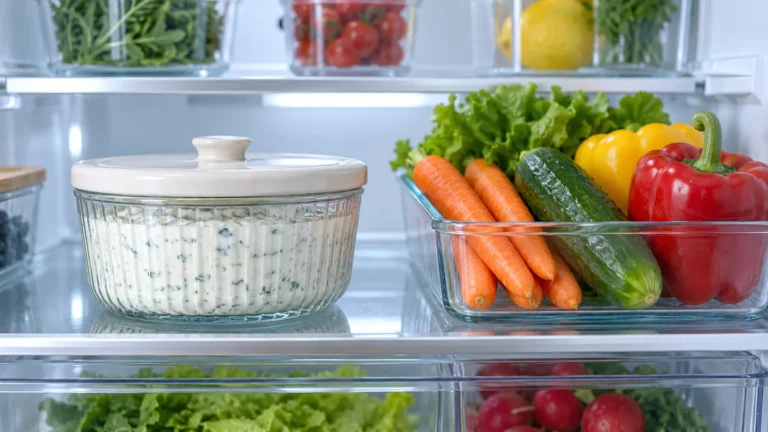

How to fix a watery dip depends on what caused the texture problem. The dip may contain free liquid from vegetables, separation from a dairy base or simply too much water, citrus juice or another thin ingredient. Identifying the cause before adding anything helps preserve the intended flavor.
Quick answer: Stir the dip first, chill it if it is normally served cold, remove any obvious free liquid, and then add a small amount of the original thick base. Cream cheese, strained Greek yogurt, blended cottage cheese, beans or roasted vegetables can restore body when they match the recipe.
How to Fix a Watery Dip Step by Step
Follow these corrections in order. Stop as soon as the dip becomes thick enough to cling to a vegetable without running or dripping excessively. If the problem is thickness, bland flavor or separation instead, use Fix My Dip to choose a more suitable adjustment.
1. Stir the dip thoroughly
Some dips look watery because liquid has separated from the main mixture while resting. Stir slowly but thoroughly before changing the recipe. If the dip becomes smooth and scoopable again, it may not need another ingredient. For an example involving yogurt, see our Greek yogurt vegetable dip.
Avoid aggressive blending at this stage. Overprocessing watery vegetables can release even more moisture and make the consistency thinner.
2. Chill the dip
Dairy, bean and avocado-based dips often become firmer after chilling. Cover the bowl and refrigerate it for 30 to 60 minutes if the recipe is intended to be served cold.
Chilling can improve body, but it does not remove excess water. If a visible pool remains after refrigeration, address that liquid before adding more ingredients.
3. Remove obvious free liquid
If water has collected on top or around the edges, carefully spoon or pour off only the separated liquid. Do not discard the entire loose portion because it may contain seasoning and flavor.
This is especially useful for dips made with thawed spinach, cucumber, summer squash, roasted peppers or other moisture-rich vegetables.
4. Add softened cream cheese
For a cream-cheese-based recipe such as cream cheese vegetable dip, additional softened cream cheese is usually the most natural correction.
Add one tablespoon at a time and mix completely before adding more. This thickens the dip without introducing a new flavor or a grainy starch texture.
5. Add strained Greek yogurt or labneh
For a yogurt-based recipe such as Greek yogurt vegetable dip, use thick strained yogurt or labneh rather than regular thin yogurt.
Add it gradually. Although it improves the body of a loose yogurt dip, adding too much can dilute the herbs, salt and acidity.
6. Add blended cottage cheese
For cottage-cheese dips, blend a small quantity of cottage cheese separately until smooth and then mix it into the dip. This keeps the correction consistent with the original recipe.
See cottage cheese vegetable dip for an example of the texture the finished mixture should have.
7. Add beans or roasted vegetables
Pureed white beans can thicken bean-based and vegetable-forward dips without making them excessively heavy. More roasted vegetables can also restore body when they are already part of the recipe.
Drain beans thoroughly and make sure roasted vegetables have released most of their excess moisture before blending them into the dip.
8. Use more of the original thick base
The safest answer for how to fix a watery dip is often to reinforce its original structure. Add more cream cheese to a cream-cheese dip, drained beans to a bean dip, roasted vegetables to a vegetable-based dip or avocado to an avocado dip.
This method usually produces a more coherent result than adding flour or cornstarch to a cold dip.
Ingredients to Use Carefully
Breadcrumbs, powdered ingredients and grated hard cheese may absorb some moisture, but they also change the flavor and texture. Use them only when they already suit the recipe.
Avoid adding raw flour or cornstarch directly to a cold dip. These starches normally require cooking to thicken properly and may leave an unpleasant raw or chalky texture.
How to Prevent a Watery Dip
Squeeze thawed spinach thoroughly before mixing it into a dip. Salt and drain grated cucumber when the recipe requires it, and drain jarred roasted peppers well.
Roast watery vegetables such as zucchini until their moisture has visibly reduced. Add water, milk and citrus juice gradually rather than pouring in the entire quantity at once.
When preparing a yogurt dip, begin with strained Greek yogurt instead of a thin regular yogurt. For blended dips, reserve some of the recipe’s liquid and add it only if the mixture is too thick.
Is a Watery Dip Unsafe to Eat?
A watery texture does not automatically mean the dip is spoiled. Separation is a texture issue, while food safety depends on ingredients, storage time and temperature.
If a perishable dip has remained at room temperature for an extended period, thickening it does not make it safe again. Consult the USDA’s Leftovers and Food Safety guidance and see How Long Does Veggie Dip Last? for storage guidance.
Frequently Asked Questions
Can a watery dip be saved?
Yes, in many cases. Stir it, chill it, remove separated liquid and gradually add more of the original thick base.
How do you thicken a dip without changing its flavor?
Use an ingredient already present in the recipe, such as cream cheese, strained yogurt, blended cottage cheese, beans, avocado or roasted vegetables.
How to fix a watery dip after chilling?
Pour off any obvious separated liquid, stir the dip and add a small quantity of the appropriate thick base. Chill it again before deciding whether it needs another adjustment.
Why did my vegetable dip become watery overnight?
Moisture may have escaped from cucumber, spinach, peppers or another vegetable. Salt can also draw water from vegetables while the dip rests.