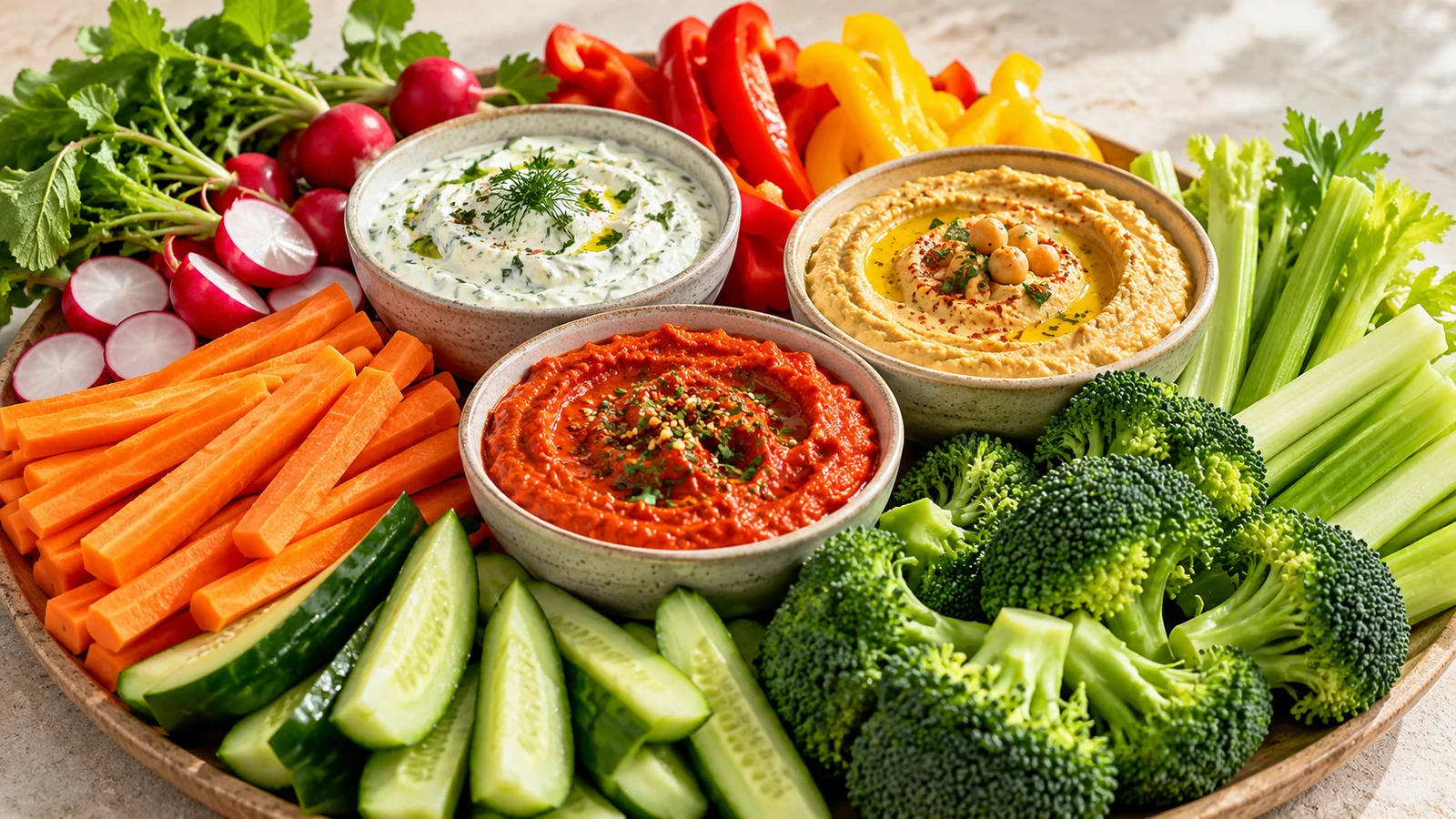
Types of vegetable dips differ in their base, thickness, flavor and serving temperature. A cool herb dip suits a simple snack tray, while a thick bean dip or warm baked dip can make the same vegetables feel like a party appetizer. The best choice depends on what you are dipping and how you plan to serve it.
There is no permanent number-one vegetable dip for every person or occasion. Instead of ranking recipes as though they all do the same job, this guide compares ten useful styles. You can pick one for an everyday snack or combine two or three contrasting dips for a larger platter.
Quick answer: The main styles include sour cream, cream cheese, Greek yogurt, cottage cheese, bean, tahini, avocado, whipped cheese, roasted vegetable, and warm baked dips.
10 Types of Dips for Vegetables at a Glance
| Type | Typical texture | Best use |
|---|---|---|
| Sour cream | Cool and creamy | Familiar everyday vegetable trays |
| Cream cheese | Thick and rich | Sturdy vegetables and appetizers |
| Greek yogurt | Tangy and medium-thick | Herb and ranch-style dips |
| Cottage cheese | Smooth when blended | Creamy, protein-forward dips |
| Bean | Dense and savory | Vegetable trays and spreads |
| Tahini | Silky; thin or thick | Carrots, cucumber and roasted vegetables |
| Avocado | Rich and soft | Fresh snack plates |
| Whipped cheese | Creamy and savory | Boards and appetizers |
| Roasted vegetable | Smooth or rustic | Color and deeper flavor |
| Warm baked | Soft and rich | Parties and game day |
1. Sour cream dips
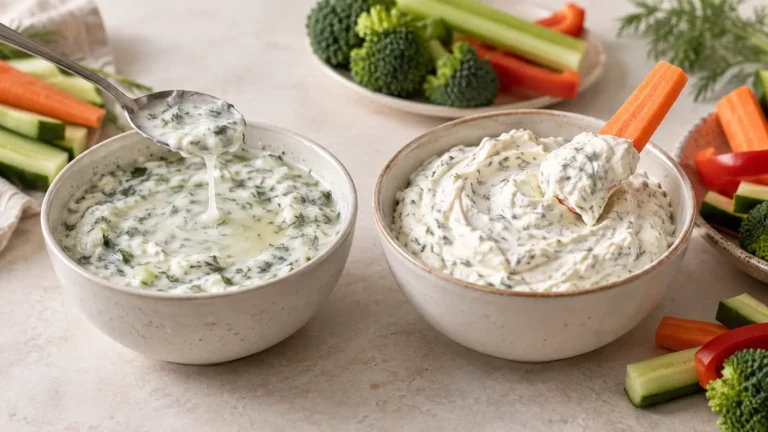
Sour cream is a familiar starting point for dill, chives, garlic, onion and lemon. It has a cool, creamy texture that works with carrots, celery, broccoli and bell peppers. For a thicker result, use a smaller amount of lemon juice and let the dip chill before serving.
Choose this style when you want one dependable bowl for a mixed raw vegetable tray. Its mild base also makes it easy to adjust the herbs and seasoning to your guests’ tastes.
2. Cream cheese dips
Cream cheese creates a richer, thicker dip. That body makes it useful with sturdy broccoli florets, carrot sticks and peppers. On its own, however, it may be too firm for easy dipping. Sour cream or yogurt can soften the texture without turning it watery.
A cream cheese dip is a good choice when the platter will sit beside other substantial appetizers and you want the dip to feel equally satisfying.
3. Greek yogurt dips
Greek yogurt brings tang and a naturally thick texture to herb, dill and ranch-style dips. It pairs especially well with cucumber, carrots, radishes and broccoli. Fresh herbs and lemon brighten the flavor; add liquid gradually because cucumber and other vegetables can bring extra moisture to each bite.
This style works well for everyday snacks and trays where you want a cool dip with a fresher taste than a rich cheese base.
4. Cottage cheese dips
Cottage cheese changes considerably when blended: the curds become a smoother, milder base. Lemon, garlic, dill, chives and parsley all work well with it. Blend until the texture is even before deciding whether it needs any added liquid.
Choose this style when you want a creamy dip with a different base from sour cream or yogurt. For the smoothest result, serve it after a short chill.
5. Bean-based dips
Chickpeas, white beans and black beans make substantial savory dips. Hummus is one familiar example, but beans can also be blended with roasted garlic, herbs, olive oil or vegetables. Their dense texture holds well on carrot and celery sticks and can double as a spread.
Check the recipe ingredients when serving guests with allergies: some bean dips contain tahini, which is made from sesame, while others do not.
6. Tahini and sesame-based dips
Tahini gives dips a distinctive sesame flavor. Lemon and water can turn it into a silky sauce, while combining it with cooked carrots or other vegetables makes a thicker dip. Add water little by little and keep blending; the texture can change as it mixes.
Tahini suits carrots, cucumber and roasted vegetables. Sesame is a major food allergen, so identify it clearly when sharing a dip with guests.
7. Avocado dips
Avocado creates a soft, rich green dip. Lime or lemon, herbs and a little garlic keep the flavor fresh. It pairs well with cucumber, peppers, carrots and radishes.
Prepare avocado dip relatively close to serving time for its best color and appearance. If it becomes too loose, add less citrus juice next time rather than trying to thicken it with an unrelated ingredient.
8. Whipped cheese dips
Feta and ricotta can be whipped into creamy dips with different flavors. Feta is salty and tangy; ricotta is milder. Either can be paired with herbs, citrus or a vegetable ingredient such as cooked beet.
Whipped cheese works particularly well on an appetizer board with cucumber, peppers, radishes and tomatoes. Taste before adding salt, especially when using feta.
9. Roasted-vegetable dips
Roasting gives vegetables deeper flavor and helps remove some moisture before blending. Carrots, cauliflower, red peppers, eggplant, squash and corn can all form the main body of a dip. The finished texture may be completely smooth or intentionally rustic.
This is the style to choose when you want a colorful bowl that tastes distinctly of the vegetable itself. Drain jarred peppers well, and let roasted vegetables cool enough to blend safely.
10. Warm and baked dips
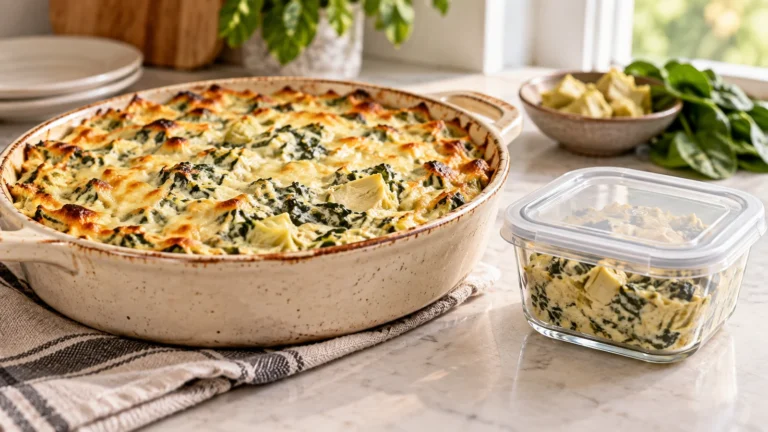
A warm dip brings temperature contrast to a party table. Spinach artichoke, warm cheese and roasted-vegetable combinations can all work, depending on the recipe. They tend to be soft and rich, so serve them with sturdy vegetables such as broccoli, carrots or thick-cut peppers.
Plan how you will keep a warm dip at an appropriate serving temperature, and follow the storage and reheating directions for the specific recipe you make.
How to choose between types of vegetable dips
For one everyday bowl, start with the vegetables you have. Cucumbers suit medium-thick yogurt, hummus and whipped feta; broccoli can handle thicker cream cheese, bean and cottage cheese dips. Carrots work with creamy herb dips as well as tahini and roasted-vegetable flavors.
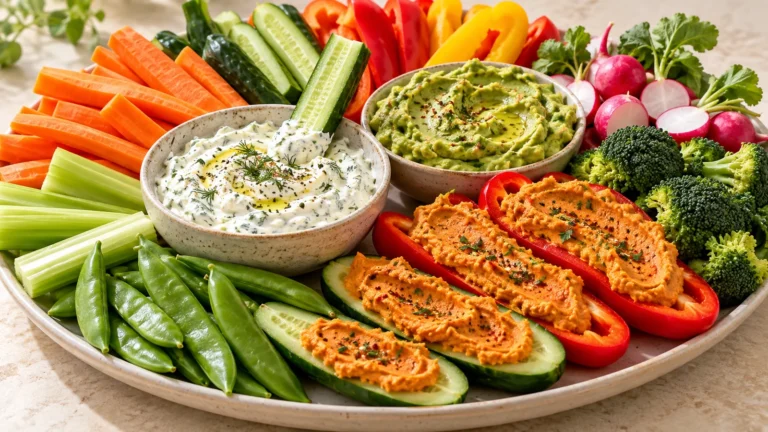
For a party, choose contrasting bases instead of making three versions of the same creamy dip. A practical trio is one cool herb dip, one savory bean or tahini dip, and one colorful roasted-vegetable dip. That gives guests different flavors, colors and textures without making the platter complicated.
Check ingredient labels and tell guests what each dip contains. A dip described as dairy-free may still contain sesame or nuts, and a creamy-looking dip may use beans rather than dairy.
Frequently asked questions
What is the most common type of vegetable dip?
Creamy ranch-style dips are familiar to many U.S. readers, but preferences differ by place and occasion. This guide groups dips by how they are made and served rather than claiming a universal favorite.
Which dip type is best for cucumber?
A medium-thick dip is easiest to scoop with watery cucumber slices. Greek yogurt herb dip, hummus, whipped feta and cucumber-dill dip are useful choices.
Which dip type is best for broccoli?
Broccoli florets are sturdy enough for thick sour cream, cream cheese, hummus, blended cottage cheese and bean-based dips.
Can I serve several types on one vegetable tray?
Yes. Choose two or three dips with different colors and bases, and give each bowl its own serving utensil. This makes the options clearer for guests and helps avoid mixing ingredients between bowls.
Find a recipe to make
Ready to move from dip styles to specific ingredients and steps? Browse our vegetable dip recipes.