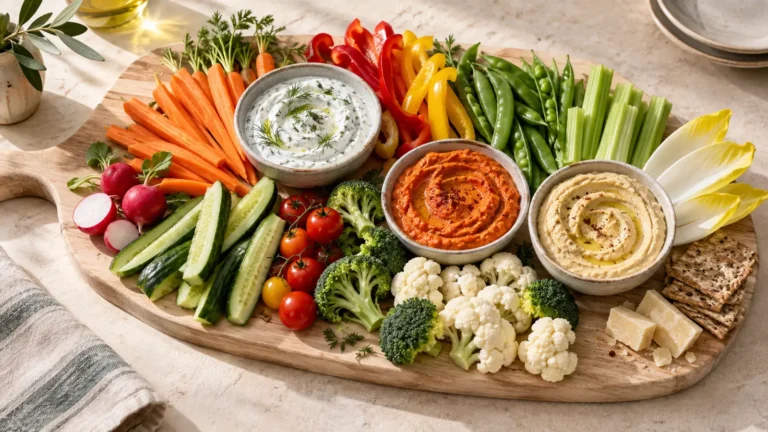
A relish tray is an appetizer platter built around pickles, olives and crisp vegetables. It is an easy way to put something tangy and crunchy on the table before dinner, with no cooking required when you start with ready-to-eat pickles and olives.
Start with one sour pickle, one sweeter or milder pickled vegetable, a bowl of olives and two or three fresh vegetables. Drain the jarred ingredients, keep wet foods in small bowls, and arrange everything in separate groups. A divided dish is useful, but a regular platter with a few small bowls works too.
This guide includes an eight-person serving example, simple relish tray ideas and a make-ahead plan. Use the quantities as a starting point rather than a fixed rule: a small appetizer before dinner needs less food than a platter people will snack on throughout a gathering.
What Is a Relish Tray?
A relish tray brings together small, easy-to-eat servings of raw, pickled or marinated vegetables, often with olives. Here, “relish” describes the assortment of accompaniments; you do not need a jar of chopped pickle relish to make one.
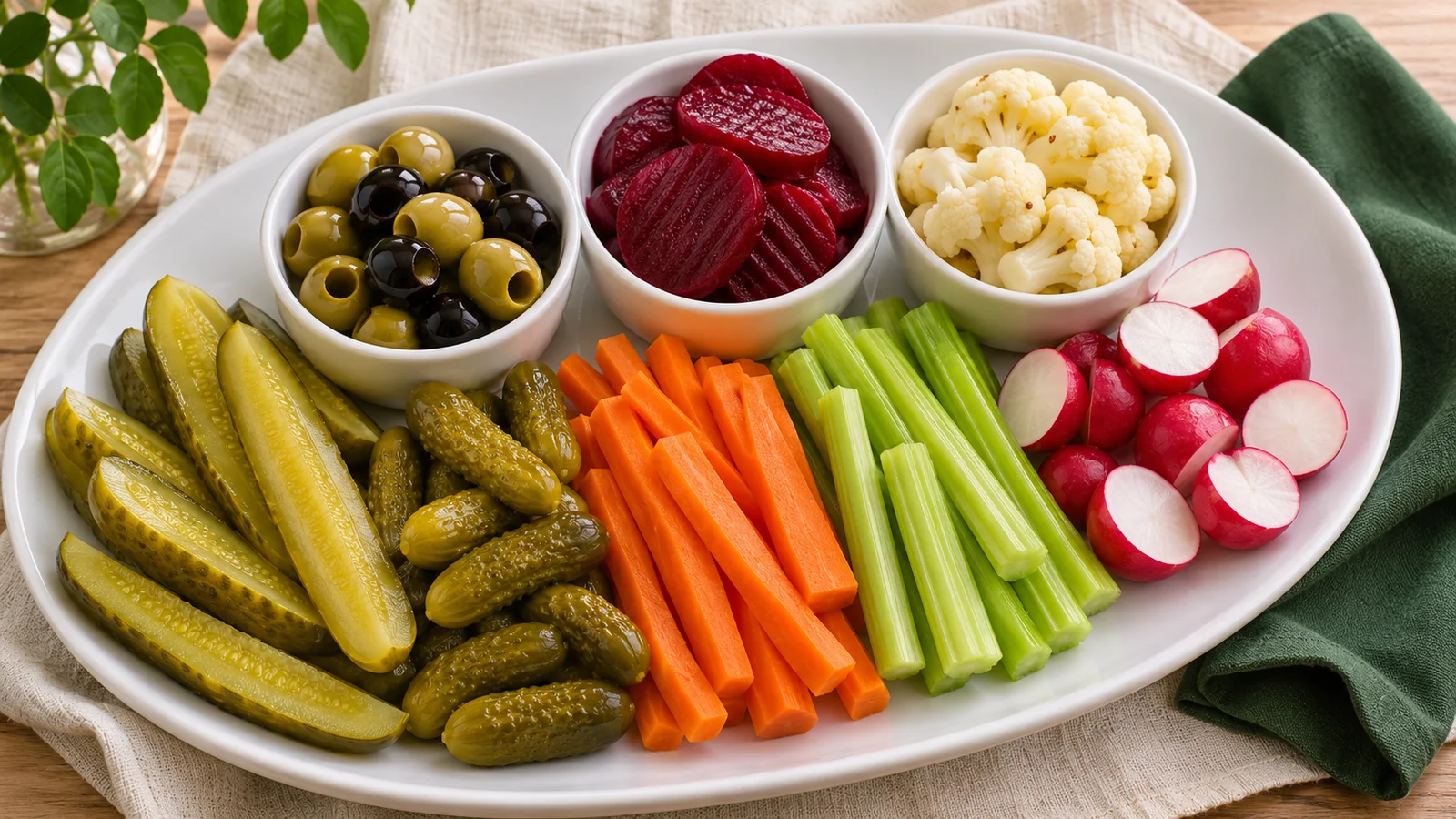
There is no single required ingredient list. A simple version might have dill pickles, sweet pickles, celery and green olives. Another might lean toward pickled beets, cauliflower and radishes. What ties them together is a mix of crunch and bright, tangy flavors.
Relish Tray vs. Veggie Tray vs. Charcuterie Board
| Type | Main focus | Typical role of dip |
|---|---|---|
| Relish tray | Pickled or marinated vegetables, olives and fresh vegetables | Optional |
| Veggie tray | Mostly fresh vegetables | Often a central part of the platter |
| Charcuterie board | Cured meats, often accompanied by cheese and other foods | Depends on the arrangement |
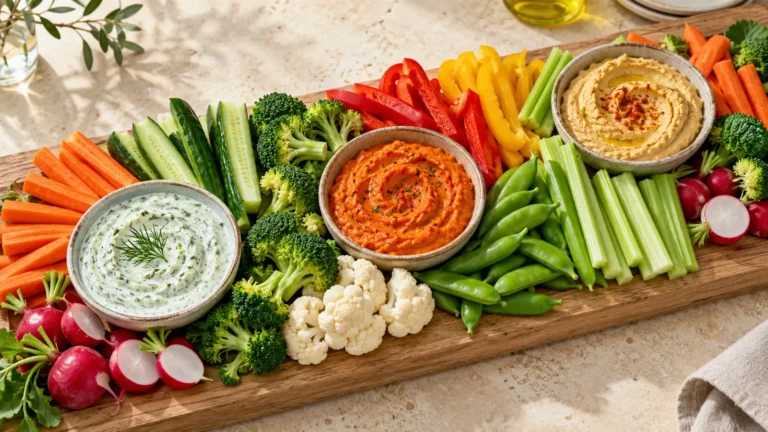
The boundaries are flexible. For this version, keep vegetables and pickles as the main attraction. If you want a spread centered on raw vegetables and dip, our creative veggie tray ideas offer more layout options.
What to Put on a Relish Tray
Choose foods that offer different flavors and shapes, rather than buying several jars that taste almost the same.
| Group | Options to consider | How to use it |
|---|---|---|
| Sour pickles | Dill spears, pickle chips, cornichons | Choose one as the tangy starting point |
| Sweet or mild pickles | Bread-and-butter chips, sweet gherkins | Add a contrast to the sour pickles |
| Olives | Pitted green olives, ripe black olives, stuffed olives | Serve in a small bowl; flag any pits |
| Colorful pickled vegetables | Beets, cauliflower, carrots, pepperoncini | Pick one or two, with a separate bowl for staining liquids |
| Fresh vegetables | Celery sticks, carrot sticks, radishes, bell pepper strips | Add a fresh, unsalted contrast |
| Optional dip | Herb dip, hummus, yogurt dip | Offer beside fresh vegetables rather than covering the pickles |
For an old-fashioned relish tray, try dill pickles, sweet gherkins, olives, celery and radishes. For a pickle-heavy version, use several distinct vegetables instead of several cuts of the same cucumber pickle.
You can include a spicy option, but keep it separate and identify it so guests can choose. Whole pepperoncini can be awkward to bite into; provide a small fork or tongs, and leave room for stems to be set aside.
A Simple Relish Tray for 8 People
This is an editorial planning example for an appetizer served alongside other food. The amounts below are not a tested yield or a nutritional serving standard.
| Ingredient | Starting quantity |
|---|---|
| Dill pickles, sliced or cut into short spears | 1 cup, drained |
| Sweet pickles or bread-and-butter chips | ½ cup, drained |
| Pitted olives | ¾ cup, drained |
| Pickled beets or cauliflower | ¾ cup, drained |
| Carrot sticks | 1 cup |
| Celery sticks | 1 cup |
| Radishes, trimmed and halved if large | ½ cup |
| Optional dip | ¾–1 cup, served separately |
That gives you about 5½ cups of vegetables, pickles and olives before the optional dip. Put out part of the food and keep the rest covered in the refrigerator for refills if your platter is small.
Scale down if several other appetizers are on the menu. For a longer gathering, keep extra ingredients chilled and replenish with a clean serving dish as needed. Our guide to vegetable dip quantities can help if you decide to offer several dips.
How to Make a Relish Tray, Step by Step
1. Choose the Dish Before Preparing the Food
Set out a platter or divided serving dish and the small bowls you plan to use. Check that the loaded arrangement will fit in the refrigerator if you intend to assemble it ahead.
An ordinary dinner plate works for a small gathering. For a larger table, two smaller platters may be easier to place and refill than one oversized tray. No special serving set is required.
2. Prepare the Fresh Vegetables
Wash your hands and use clean utensils and a clean cutting surface. Rinse fresh produce under running water before cutting; do not use soap or detergent. The FDA’s produce preparation guidance explains these washing steps.
Dry the vegetables, then cut carrots and celery into manageable sticks. Keep the cuts reasonably consistent so guests can pick up one portion without pulling apart the arrangement.
3. Drain the Pickles and Olives
Drain only the portion you plan to serve. Keep the remaining contents in their original containers as directed on the labels.
Use separate bowls for pickled beets, oily marinated vegetables or anything likely to release liquid. This keeps the rest of the platter from taking on a purple tint or sitting in a puddle.
4. Place the Bowls, Then Fill the Gaps
Put small bowls on the platter first. Arrange fresh vegetables and drained pickle spears around them in distinct groups.
Alternate colors where convenient: carrots beside celery, pale cauliflower beside dark olives, or radishes beside cucumber pickles. Avoid piling food so high that guests have to dig for a piece.
5. Add Utensils and an Optional Dip
Provide small tongs, spoons or serving forks for the different foods. Give olives a spoon and keep beet utensils separate from the fresh vegetables. If any olives contain pits, identify them and provide a discard dish.
Dip is optional. If you include one, put it near the fresh vegetables and leave enough room to scoop without reaching across the platter. Find flavor options in our dips for a vegetable tray.
Relish Tray Ideas for Different Occasions
Old-Fashioned Family Dinner
Use dill spears, sweet gherkins, green olives, celery and radishes. Keep the arrangement simple, with each ingredient in its own section. A small plate of crackers can sit beside the tray if you want an additional accompaniment.
Thanksgiving Relish Tray
Try dill pickles, pickled beets, olives, carrots and celery. Put the beets in a separate bowl and keep the fresh vegetables easy to reach. The tangy assortment provides a different flavor alongside a richer dinner menu.
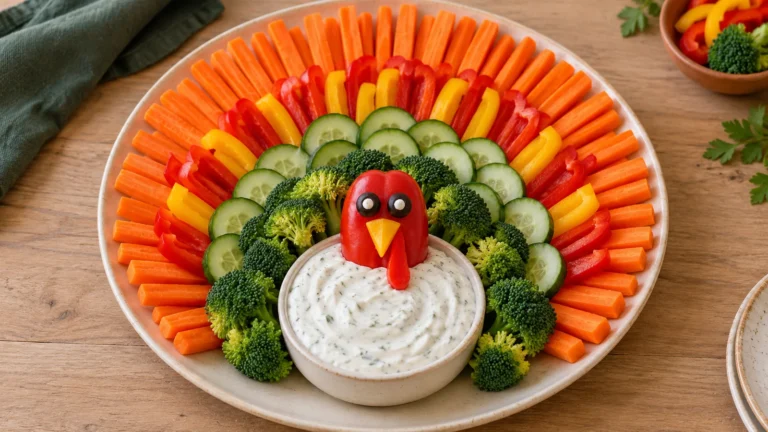
For a separate decorative vegetable centerpiece, see our turkey veggie tray. You do not need to turn this relish platter into a shaped arrangement as well.
A Fresh-Vegetable Version with Fewer Pickles
Use one pickle, one bowl of olives and a larger selection of fresh vegetables. Bell pepper strips and cucumber spears add variety. Choose the fresh components using our best vegetables for dipping guide, then add a dip if you like.
Can You Make a Relish Tray Ahead?
Yes. A practical approach is to prepare the components the day before and arrange the tray shortly before serving. Keep cut vegetables covered and refrigerated, and follow storage directions on opened jars and any prepared dip.
If you assemble the whole platter in advance, cover it and refrigerate it. Keep wet ingredients contained and add crackers separately at serving time so they do not absorb moisture.
For freshness, prepare only what you expect to use soon. This guide does not assign one refrigerator life to the finished tray because its ingredients, preparation dates and storage instructions differ.
Taking the tray to another home? Carry wet ingredients in their own closed food containers and arrange them on arrival. Our cold appetizers to bring to a party guide covers packing and cold holding; our covered veggie tray guide explains what to check in a carrying dish.
Serving and Leftovers
Keep foods that require refrigeration at 40°F (4°C) or below. Do not leave perishable foods without temperature control for more than two hours, or one hour when the temperature is above 90°F (32°C). These limits come from FoodSafety.gov’s safe food handling guidance.
Cut vegetables and prepared dips need cold storage even when they share a platter with pickles. Follow the labels for the individual jarred ingredients rather than assuming every item has the same storage needs.
Refrigerate suitable leftovers promptly in separate covered containers. Discard perishables that have exceeded the time limits; putting them back in the refrigerator does not reset the clock. Keep food that has been served separate from untouched contents remaining in the jars.
Frequently Asked Questions
Does a relish tray need dip?
No. Pickles and olives already bring plenty of flavor. Add dip if you have a substantial fresh-vegetable section or want to offer another option.
Do I need a divided relish dish?
No. A platter with small bowls works well. Dividers can help organize the food, but liquid-containing ingredients still benefit from a separate bowl.
Can I add cheese or meat?
You can, but that turns it into a broader appetizer assortment. Keep the vegetable and pickle selection clear, and apply the appropriate handling rules to anything you add.
What should I do if the tray looks empty?
Use a smaller platter before buying more ingredients. Grouping the food closely makes a modest assortment look deliberate, while leaving enough space for utensils and easy serving.
How do I keep the flavors from mixing?
Drain the ingredients, separate wet foods into bowls and provide dedicated serving utensils. Keep a strongly flavored or spicy option apart from milder vegetables.
About This Relish Tray Guide
This is a research-based assembly guide, not a kitchen-tested recipe. For another example of the traditional pickle, olive and vegetable assortment, see Julia Heffelfinger’s relish tray. The quantities above are flexible editorial planning estimates.