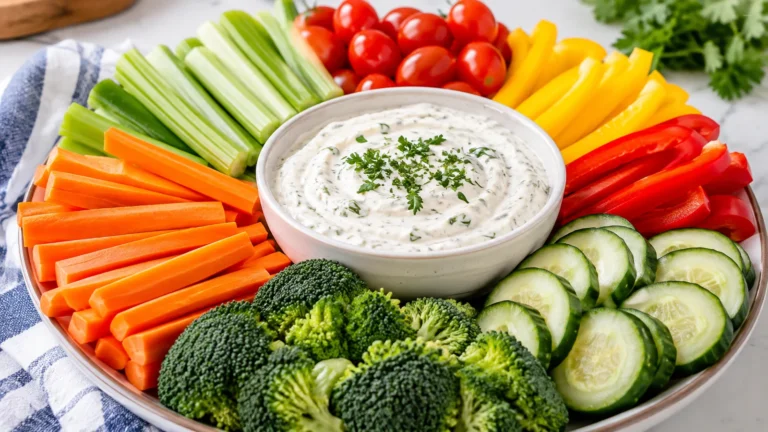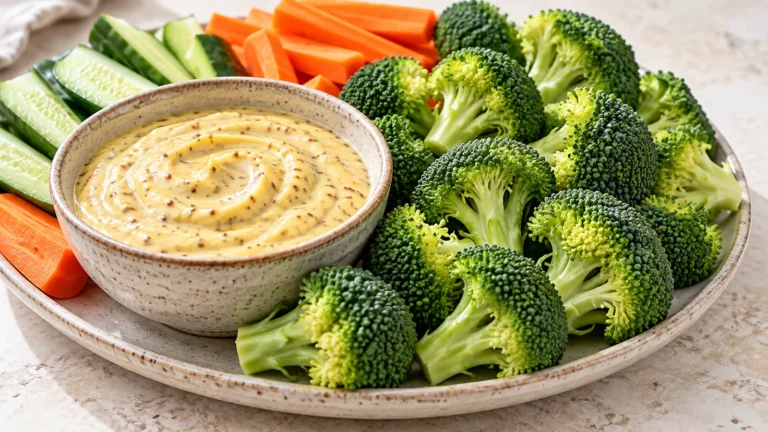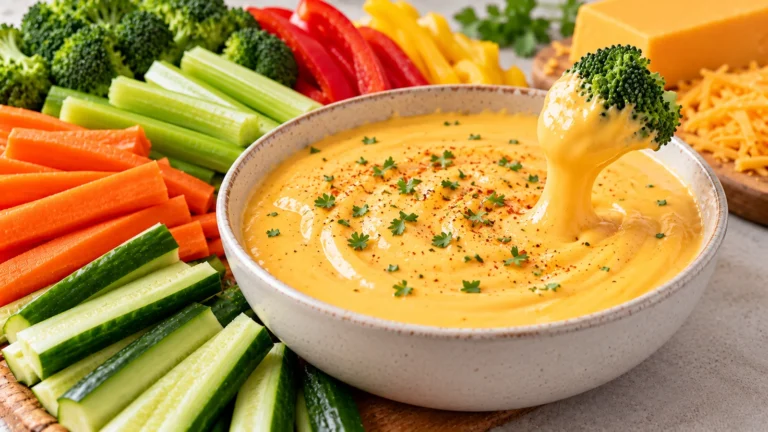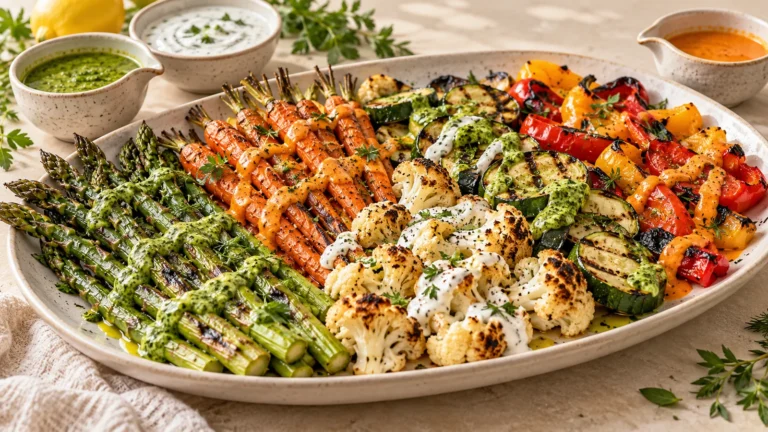
Carrots and cucumbers may share the same vegetable tray, but they do not behave the same way in a bowl of dip. A carrot stick is firm enough to scoop thick hummus or whipped feta. Cucumber is cooler, wetter and easier to break, especially when it is cut into thin rounds.
That difference matters when choosing dips for carrot and cucumber sticks. The most reliable options fall somewhere in the middle: creamy enough to cling to a carrot, but soft enough that cucumber can move through them without bending or slipping.
Quick answer: Greek yogurt herb dip is the most versatile choice for serving both vegetables together. Hummus and tzatziki are close behind. For more variety, try roasted red pepper white bean dip, whipped feta, avocado lime or lemon tahini. For a simple everyday snack, use these two vegetables as the starting point for an easy veggies and dip snack plate.
Best Dips for Carrots and Cucumbers at a Glance
| Dip | Flavor | Texture | Dairy-free |
|---|---|---|---|
| Greek yogurt herb dip | Fresh and herby | Medium-creamy | No |
| Classic hummus | Savory and nutty | Medium-thick | Usually |
| Cucumber yogurt dip (tzatziki-style) | Cool and garlicky | Light and creamy | No |
| Creamy cucumber dill dip | Rich and herby | Medium-thick | No |
| Sour cream herb dip | Familiar and mild | Soft and creamy | No |
| Roasted red pepper white bean dip | Smoky and slightly sweet | Smooth | Yes |
| Whipped feta dip | Salty and tangy | Medium-thick | No |
| Avocado lime dip | Fresh and citrusy | Soft and creamy | Yes |
| Lemon tahini dip | Nutty and bright | Adjustable | Yes |
| Blended cottage cheese herb dip | Mild and savory | Medium-creamy | No |
Packaged ingredients can vary, so check food labels for major allergens when serving someone with an allergy or strict dietary requirement.
1. Greek Yogurt Herb Dip
If only one dip is going on the plate, Greek yogurt vegetable dip is an easy choice. It has enough body for carrot sticks without becoming awkwardly stiff for cucumber.
Fresh dill, parsley or chives keep the flavor light, while lemon and garlic add enough sharpness to prevent the yogurt from tasting plain. The consistency may tighten after chilling. A small spoonful of lemon juice or water usually brings it back to a scoopable texture.
This is also a useful base when the rest of the platter contains stronger flavors. It does not compete with seasoned hummus, feta or roasted pepper dip.
2. Classic Hummus
Carrots and classic hummus are a natural match. The carrot is sturdy enough to scoop a dense chickpea dip, and its mild sweetness balances the savory combination of tahini, garlic and lemon.
Cucumber works well too, although the cut makes a difference. Thick rounds and short spears hold up better than paper-thin slices. If the hummus is very firm straight from the refrigerator, let it soften briefly or stir in a little water or lemon juice.
Hummus is commonly dairy-free, but prepared versions should still be checked when dairy avoidance is important.
3. Tzatziki
Tzatziki is especially suited to cucumber because cucumber is already part of the dip. For a simple yogurt-and-cucumber option, follow our cucumber yogurt dip with dill and lemon. Yogurt, garlic, dill and lemon give it a cool, bright flavor, while carrots add the crunch that the dip itself lacks.
A watery tzatziki will slide off both vegetables. Draining the grated cucumber and starting with thick Greek yogurt makes the finished dip much easier to serve. It should mound softly on a spoon rather than spread across the plate.
For carrot sticks, a slightly thicker version works best. Cucumber rounds can handle a lighter consistency.
4. Creamy Cucumber Dill Dip
Creamy cucumber dill dip shares some flavors with tzatziki but has a richer base. Cream cheese gives it structure, sour cream softens it, and dill keeps the flavor fresh.
The result sits neatly between a spread and a loose dressing. Carrots can scoop it without difficulty, while cucumber spears pick up enough dip without becoming overwhelmed.
It is best served cool but not extremely cold. Cream cheese becomes firmer in the refrigerator, so allowing the bowl to stand briefly before serving can improve the texture.
5. Sour Cream Herb Dip
Sour cream herb dip is a straightforward option when the platter needs something familiar. Dill, chives, parsley, onion and garlic all work with both carrots and cucumbers.
Because sour cream is naturally softer than cream cheese, it is particularly friendly to cucumber rounds. If a firmer dip is preferred for carrots, combine the sour cream with a modest amount of softened cream cheese rather than adding too much dry seasoning.
For a richer variation, see this cream cheese vegetable dip.
6. Roasted Red Pepper White Bean Dip
Roasted red pepper white bean dip brings something different to a platter of pale, cool dips. Its red-orange color stands out immediately, and the roasted pepper adds a gentle smoky sweetness.
That sweetness echoes the flavor of carrots, while cucumber provides a clean contrast. White beans create a smooth base that is substantial without necessarily becoming as dense as hummus.
It is a useful choice when you want a dairy-free dip that still feels creamy.
7. Whipped Feta Dip
Feta gives carrots and cucumbers a sharper, saltier pairing. The contrast is particularly good with sweet carrots, while cucumber softens the cheese’s intensity.
The main challenge is texture. Feta blended on its own may remain crumbly or become too stiff. Yogurt can make it smoother and easier to scoop, but it should be added gradually. The goal is a dip that holds its shape without pulling a cucumber slice apart.
Taste before adding salt. Feta often provides enough on its own.
8. Avocado Lime Dip
Avocado lime dip is soft, creamy and easy to pair with raw vegetables. Lime prevents the avocado from tasting heavy and adds a bright note that suits cucumber particularly well.
Carrots bring sweetness and a firmer crunch. Cucumber spears are preferable to thin rounds if the dip is thick.
Avocado darkens after exposure to air, so this option is better prepared close to serving time and kept covered until the platter is ready.
9. Lemon Tahini Dip
Lemon tahini dip has a deeper sesame flavor than most yogurt or sour cream dips, but lemon keeps it from feeling too rich. It works well with the sweetness of carrots and the freshness of cucumber.
Its texture is easy to adjust. Tahini may appear to thicken when liquid is first added; continued whisking and small additions of water will eventually make it smooth. Stop when it flows slowly from a spoon but still clings to the vegetables.
For a more vegetable-forward sesame dip, try roasted carrot tahini dip.
Tahini contains sesame and should not be served to someone who needs to avoid it.
10. Blended Cottage Cheese Herb Dip
Blending cottage cheese changes it from a curd-style cheese into a smooth, mild dip; follow our cottage cheese vegetable dip recipe for the herb and seasoning quantities. Its texture is usually firmer than yogurt but less heavy than a dip made mainly with cream cheese.
Lemon, dill, chives, garlic and black pepper all fit naturally here. Blend the cottage cheese until no visible curds remain, then adjust the consistency. A little lemon juice or water can soften a mixture that feels too firm for cucumber.
Because the base is mild, it can support either fresh herbs or stronger garlic-and-onion seasoning without hiding the flavor of the vegetables.
Which Dip Works Best for Carrot Sticks?
For a quick dip for carrot sticks, start with thick Greek yogurt herb dip if you want a cool, creamy flavor, or hummus if you want a dairy-free bean option. Sweet carrots also balance the saltiness of whipped feta and the warmth of a gently spiced black bean dip. Choose a dip that holds on a stick without requiring so much force that the carrot snaps.
Thin carrot sticks are easiest with softer yogurt, sour cream or avocado dips. Thicker sticks and whole baby carrots can scoop hummus, whipped feta and cream cheese dips. If baby carrots are damp from the bag, drain and pat them dry first; if whole carrots are very thick, cut them into even sticks so guests can take a comfortable bite.
Make-Ahead Carrot Sticks and Dip for a Party
Wash and cut the carrots in advance, keep them covered and refrigerated, and dry them before arranging the tray. Prepare the chosen dip according to its own storage instructions and stir it before serving; a thick chilled dip may need a small adjustment to become scoopable. For a larger group, use the dip quantity guide to estimate the total dip before dividing it among flavors. Keep perishable dips cold until serving.
Best Texture for Carrot and Cucumber Sticks
A medium-creamy texture is the safest compromise when one bowl must work for both vegetables. The dip should stay on a carrot stick but give easily when a cucumber spear enters the bowl.
Carrots can handle thicker options because they are firm and relatively dry. Cucumber contains more water and bends more easily, so it needs less resistance.
If the dip is too thick, adjust it one teaspoon at a time. Water, lemon juice, yogurt or olive oil may work, depending on the recipe. If it is too loose, chilling may be enough. Otherwise, add a little more of the main base rather than trying to correct it with large amounts of dry seasoning.
Does the Cucumber Cut Matter?
Yes. A dip that works beautifully with cucumber spears may be frustrating with thin rounds.
- Thin rounds: Pair with yogurt dip, tzatziki, sour cream dip or a soft avocado dip.
- Thick rounds: Use with hummus, white bean dip or blended cottage cheese.
- Short spears: Strong enough for whipped feta, cream cheese dip and other firm options.
- Carrot sticks: Suitable for nearly every dip on this list.
For a mixed tray, thick cucumber rounds or short spears are easier to serve than very thin slices. Patting the cucumber dry also keeps excess water from collecting around the dip bowls.
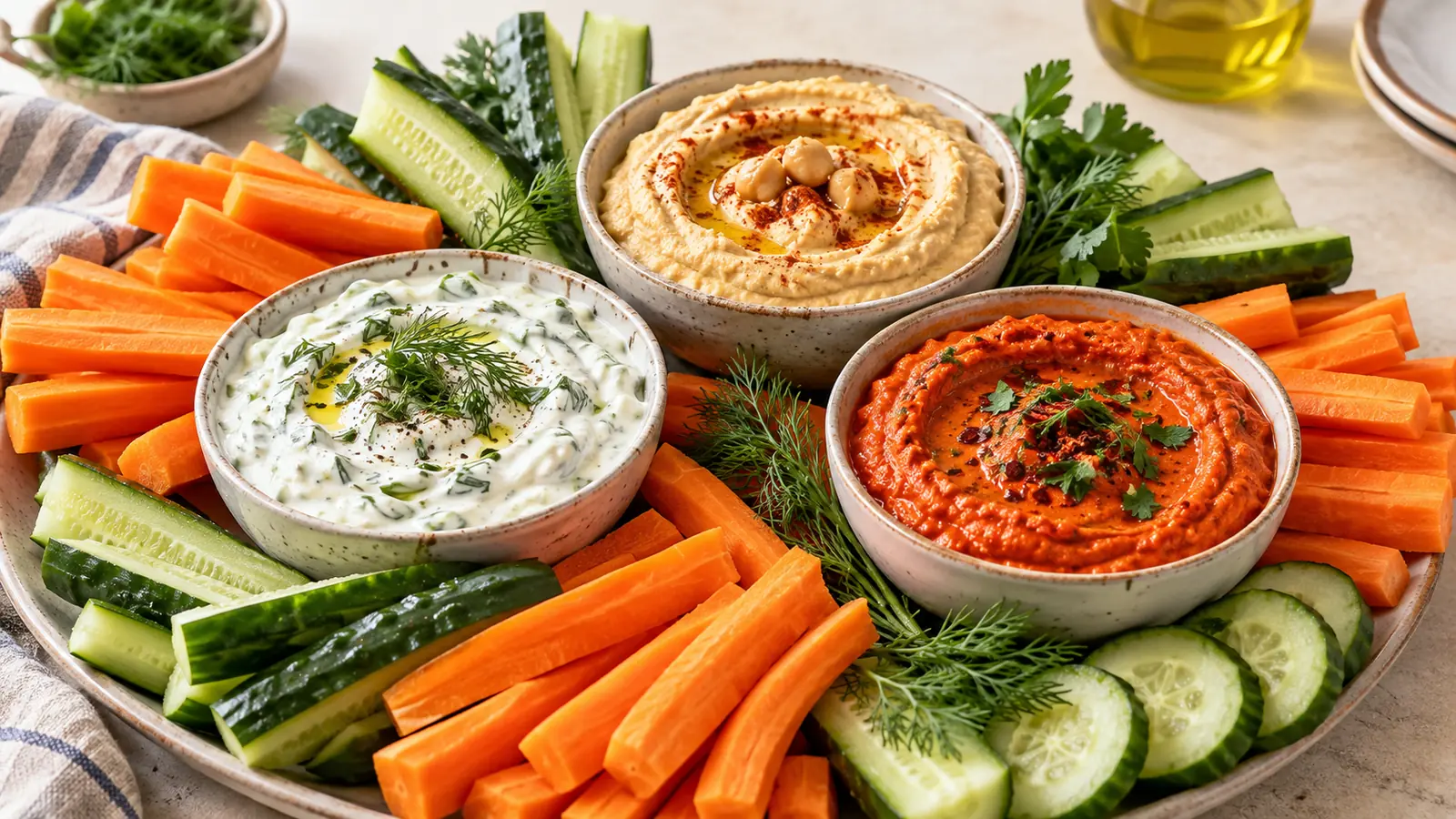
An Easy Three-Dip Combination
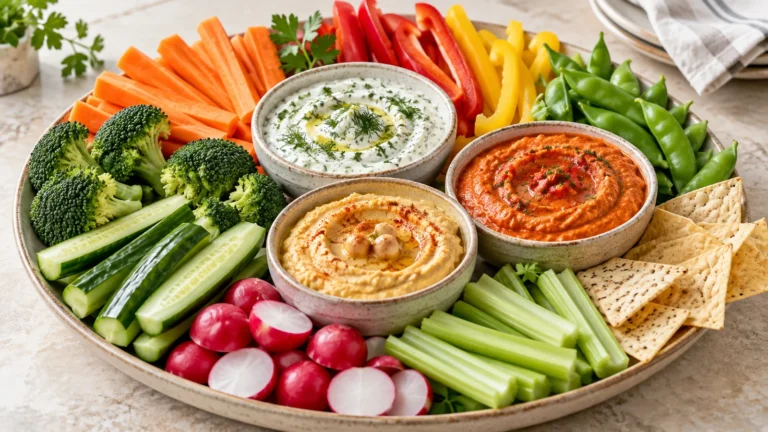
Ten choices are useful for planning, but most vegetable trays only need two or three dips.
A balanced combination is:
- Greek yogurt herb dip for a cool, familiar option.
- Hummus for a savory chickpea base.
- Roasted red pepper white bean dip for color and smoky sweetness.
Each bowl tastes and looks different, yet all three work with both carrots and cucumbers.
For a dairy-free version, replace the yogurt dip with avocado lime or lemon tahini. If the platter is intended for guests with different dietary needs, keep separate serving spoons with each bowl and retain the ingredient labels for prepared foods.
Frequently Asked Questions
What can you dip carrots and cucumbers in?
Greek yogurt herb dip, hummus, tzatziki, cucumber dill dip, sour cream herb dip, roasted pepper bean dip, whipped feta, avocado lime, tahini and blended cottage cheese all pair well with carrots and cucumbers.
What dip goes best with carrot sticks?
Hummus is one of the easiest choices because carrots are firm enough to scoop its thicker texture. Greek yogurt herb dip, whipped feta and cream cheese dip also work well.
What is the best dip for cucumber?
Tzatziki is a natural pairing, but it is not the only option. Greek yogurt herb dip, cucumber dill dip, avocado lime and a softly blended sour cream dip all suit cucumber’s cool flavor and delicate texture.
What is the best dip for both carrots and cucumbers?
Greek yogurt herb dip offers the best overall balance. It is substantial enough for carrots but does not have to be overly thick for cucumber. Hummus is another versatile option, especially when the cucumber is cut into spears or thick rounds.
Which dips are dairy-free?
Hummus, roasted red pepper white bean dip, avocado lime and lemon tahini can be prepared without dairy. Check every ingredient label when dairy must be strictly avoided.
More Vegetable Dip Ideas
Looking for a dip that fits a particular ingredient or dietary preference? These pages can help:
- Vegetable Dips Without Mayo
- Dairy-Free Dips
- Cream Cheese Vegetable Dip
- Browse All Dip Recipes
- Use the Dip Finder
The vegetables do not need identical dips; they simply need a texture that respects both. Start with a medium-creamy consistency, use sturdier cucumber cuts for thicker mixtures, and choose two or three contrasting flavors instead of filling the tray with bowls that all taste the same. For another vegetable, try the Vegetable and Dip Pairing Guide.