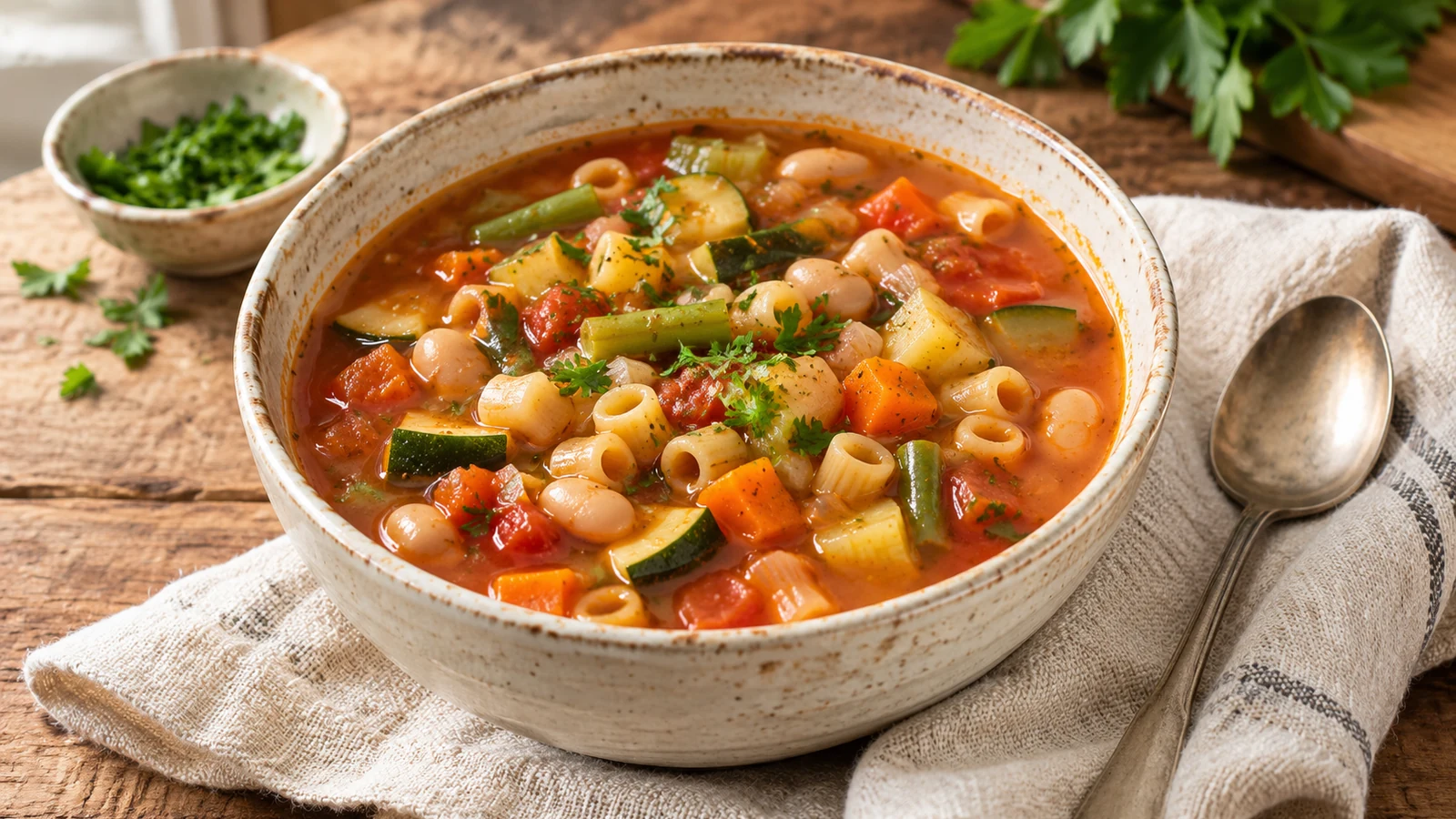
Vegetable minestrone soup is an Italian vegetable soup made with beans, small pasta and vegetables simmered in a tomato broth. This version brings together cannellini beans, ditalini, carrots, celery, zucchini and green beans in a herb-seasoned broth, and it’s ready in about 50 minutes for 6 bowls. It’s a hearty vegetarian dinner that keeps well, especially if you cook the pasta separately when you plan on leftovers.
What Is Vegetable Minestrone Soup?
The name comes from the Italian minestra, meaning soup; minestrone means “big soup.” There isn’t one single traditional minestrone soup recipe. Italian cooks change it with the region and the season, using whatever vegetables, beans and pasta or grains they have. What most versions share is a thick, vegetable-heavy bowl with beans and a tomato-based broth.
This Italian minestrone soup is vegetarian, with no cream and no blending. The beans are a main part of the soup, not a garnish, and the small pasta makes it a full meal in one bowl.
If you want a lighter bowl without tomatoes or beans, our Vegetable Pasta Soup takes a different approach. For a pasta-free, brothy option, see our Homemade Vegetable Soup Recipe.
What Vegetables Go in Minestrone Soup?
Most minestrone starts with onion, carrot and celery cooked slowly in olive oil, then adds tomatoes and whatever is in season. This recipe uses:
- Onion, carrots and celery for the savory base
- Garlic for depth
- Zucchini and green beans for color and fresh texture
- Canned diced tomatoes for the broth
- Baby spinach (optional) stirred in at the end
Other common minestrone vegetables include peas, cabbage, kale, potatoes and yellow squash. See the Variations section below for easy swaps.
Minestrone Soup Ingredients
This vegetable minestrone soup makes 6 bowls. Choose a low-sodium broth so you control the final seasoning.
- 1 tablespoon olive oil
- 1 medium yellow onion, finely chopped
- 2 medium carrots, diced
- 2 celery stalks, diced
- 3 garlic cloves, minced
- 1 small zucchini, diced
- 1 cup green beans, trimmed and cut into bite-size pieces
- 1 can (14.5 oz) diced tomatoes, with juices
- 1 can (15 oz) cannellini beans, drained and rinsed
- 5 cups low-sodium vegetable broth, plus more as needed
- 1 teaspoon dried oregano
- 1/2 teaspoon dried basil
- 1 bay leaf
- 3/4 cup dry small pasta, such as ditalini or small shells
- 2 cups baby spinach (optional)
- Salt and black pepper, to taste
- Fresh parsley and a squeeze of lemon (optional), to finish
Ingredient tips:
- Beans: Cannellini beans keep the broth mild and creamy. Drained and rinsed kidney beans work too.
- Pasta: Ditalini and small shells fit on a spoon with the vegetables. Cooking times vary by brand, so follow the time on the package.
- Broth and tomatoes: Both vary in salt. Taste before adding more.
- Vegetarian and vegan: Use a clearly labeled vegetable broth. See the dietary section below for details.
How to Make Minestrone Soup
Plan on about 15 minutes of prep and 35 minutes on the stove.
- Prepare the vegetables. Dice the onion, carrots, celery, zucchini and green beans into small pieces, and mince the garlic. Drain and rinse the cannellini beans.
- Soften the base. Warm the olive oil in a large pot over medium heat. Cook the onion, carrots and celery for about 7–9 minutes, stirring, until they start to soften. Add the garlic, zucchini and green beans and stir for about 2 minutes.
- Simmer the tomato broth. Add the diced tomatoes with their juices, the broth, oregano, basil and bay leaf. Simmer gently for about 12–15 minutes, until the carrots and green beans begin to soften.
- Add the beans. Stir in the cannellini beans and simmer about 5 minutes, until hot. Taste, then season with salt and pepper.
- Cook the pasta. For leftovers, boil the pasta separately according to the package, drain it and divide it among bowls. To serve right away, add the pasta directly to the simmering soup and cook for the package time, adding a splash of broth if the soup thickens.
- Finish and serve. If using spinach, stir it into the hot soup for the last 1–2 minutes until wilted. Remove the bay leaf. Ladle the soup over the pasta (or serve straight from the pot) and finish with parsley or a squeeze of lemon.
Printable Vegetable Minestrone Soup Recipe
Print or pin the full recipe card below, with ingredients and step-by-step directions in one place.


Vegetable Minestrone Soup (Beans, Pasta & Tomato Broth)
Ingredients
Method
- Dice onion, carrots, celery, zucchini and green beans into small pieces; mince garlic. Drain and rinse cannellini beans.
- In a large pot warm olive oil over medium heat. Cook onion, carrot and celery for about 7–9 minutes. Add garlic, zucchini and green beans and stir for about 2 minutes.
- Add diced tomatoes with juices, broth, oregano, basil and bay leaf. Simmer gently for about 12–15 minutes, until carrots and green beans begin to soften.
- Stir in drained cannellini beans and simmer about 5 minutes, until hot; taste before adjusting salt and pepper.
- For leftovers, cook pasta separately according to its package and divide among bowls. For immediate serving, add pasta directly to simmering soup and cook for the package time, adding liquid if it thickens.
- Wilt spinach in the hot broth for the last 1–2 minutes if using. Remove bay leaf, ladle soup over pasta (or serve one-pot), and garnish with parsley or lemon if desired.
Notes
The Secret to Flavorful Minestrone Soup
There’s no single secret ingredient. Good minestrone comes from a few simple habits:
- Take your time with the onion, carrots and celery. The 7–9 minutes in olive oil builds a sweet, savory base the broth depends on.
- Add the dried herbs to the broth. Oregano and basil simmering with the tomatoes season every spoonful.
- Let the bay leaf simmer the whole time. It adds a quiet, rounded depth. Remove it before serving.
- Finish with lemon. A small squeeze at the end brightens the tomato broth and makes the vegetables taste fresher.
- Salt at the end. Low-sodium broth and canned tomatoes vary, so season after the beans are heated through.
For more ideas on when and how to add herbs, see our Vegetable Soup Seasoning guide.
Should You Cook the Pasta in the Soup?
Both ways work, and the right one depends on when you’re eating.
- Eating right away: Cook the pasta in the soup. It saves a pot, and the starch slightly thickens the broth. Stir often and add broth if needed.
- Planning leftovers: Cook the pasta in a separate pot and store it separately. Add it to hot soup just before serving. Pasta left in the broth keeps soaking up liquid and turns soft.
The Mediterranean Dish uses the same separate-pasta method in its minestrone.
Vegetable Soup vs. Minestrone: What’s the Difference?
Minestrone is a type of vegetable soup. The difference is in what goes in it: minestrone adds beans and pasta (or another grain) to a tomato broth, making it heartier than a basic vegetable soup.
| Vegetable Minestrone Soup | Vegetable Pasta Soup | Homemade Vegetable Soup | |
|---|---|---|---|
| Beans | Cannellini beans | None | None |
| Broth | Tomato and herb | Light, golden broth | Light broth with diced tomatoes |
| Pasta | Ditalini or small shells | Small pasta | None |
| Best for | A filling one-bowl dinner | A lighter pasta soup | A simple vegetable-only bowl |
Vegetable Minestrone Soup Variations
These swaps keep the same method and timing as the recipe card:
- Different beans: Use drained and rinsed kidney beans instead of cannellini beans.
- Different greens: Swap the spinach for chopped kale. Give it 3–4 minutes to soften instead of 1–2.
- Seasonal squash: Use yellow squash in place of zucchini.
- Frozen green beans: Add them straight from frozen in step 2.
- No pasta: Leave out the pasta and add a second can of drained beans for a hearty bean-and-vegetable soup.
- Gluten-free: Use a gluten-free small pasta and cook it separately, since it can break down faster in the broth.
Minestrone Toppings and What to Serve With It
Finish each bowl with any of these:
- Chopped fresh parsley
- A squeeze of lemon
- A drizzle of good olive oil
- Freshly cracked black pepper
- Grated Parmesan or a vegetarian hard cheese (leave it out for vegan bowls)
- A spoonful of basil pesto (check the label, as many contain Parmesan)
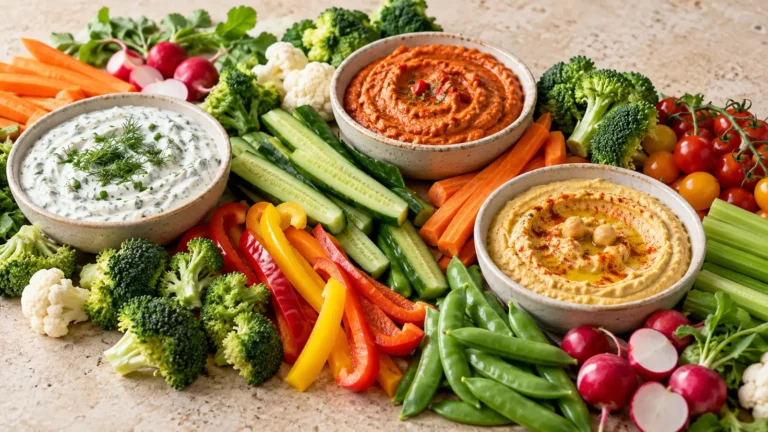
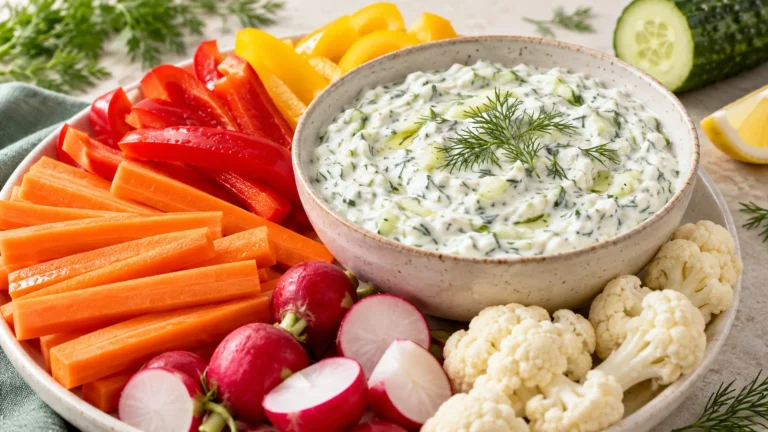
Serve it with crusty bread, toasted crostini or a simple green salad. For a fuller spread, put out a bowl of Roasted Garlic White Bean Dip with toasted bread for dipping.
Troubleshooting Minestrone Soup
The pasta got mushy. The pasta sat in the broth too long. Next time, cook it separately and add it to each bowl just before serving. To rescue a pot, add more hot broth and serve right away.
The soup is too thick. Pasta and beans keep absorbing liquid as vegetable minestrone soup sits. Stir in more hot vegetable broth, about 1/2 cup at a time, until it loosens.
The broth is too thin. Simmer uncovered for a few more minutes, or mash a few beans against the side of the pot and stir them in to add body.
It tastes flat. Add salt a little at a time, then a squeeze of lemon. Low-sodium broth usually needs more seasoning at the end.
It’s too salty. Add more unsalted broth or water, and a handful of extra drained beans or vegetables to balance it.
Some vegetables are hard and others are soft. Cut everything into small, even pieces, and cook the carrots and celery first, as in step 2, so they finish at the same time as the zucchini.
Make-Ahead, Storage and Freezing
To store vegetable minestrone soup safely, refrigerate it within 2 hours of cooking (within 1 hour if it’s above 90°F), eat it within 3–4 days, and reheat it to 165°F (74°C). Divide a large batch into shallow containers so it cools quickly, and bring the soup to a boil when reheating. See the USDA leftover storage guidance and USDA reheating guidance.
- Make ahead: Chop the vegetables up to a day ahead and refrigerate them.
- Refrigerate: Store the soup and the cooked pasta in separate containers.
- Freeze: Freeze the tomato-and-bean soup without pasta. Cook fresh pasta when you reheat it. Zucchini softens a little after freezing.
- Reheat: Reheat on the stove with a splash of broth, since the soup thickens as it rests.
Vegetarian, Vegan and Gluten-Free Minestrone
Vegetarian: This recipe is vegetarian when made with vegetable broth. Traditional Parmesan is made with animal rennet, so choose a vegetarian hard cheese if you add cheese on top.
Vegan minestrone soup: Use a broth labeled vegan, check that your pasta is egg-free, and skip the cheese. Finish with olive oil, parsley and lemon instead.
Gluten-free: Regular wheat pasta contains gluten. Use a pasta labeled gluten-free and follow its package directions.
Allergens: Broth, canned tomatoes and pasta brands can contain different allergens or added ingredients, so check the labels.
Minestrone Recipe Inspiration
This vegetable minestrone soup draws on classic versions such as Love and Lemons’ Minestrone Soup, The Mediterranean Dish’s Easy Minestrone Soup and BBC Good Food’s Classic Minestrone Soup. The quantities, method and timings on this page are our own.
Frequently Asked Questions
What vegetables typically go in minestrone soup?
Most minestrone includes onion, carrots, celery, garlic and tomatoes, plus seasonal vegetables such as zucchini, green beans, spinach, kale, peas or cabbage. This recipe uses onion, carrots, celery, zucchini, green beans and optional spinach.
What is the secret ingredient in minestrone soup?
There isn’t one secret ingredient. The flavor comes from slowly cooking onion, carrots and celery in olive oil, simmering dried oregano, basil and a bay leaf in the broth, and finishing with a squeeze of lemon.
What is the difference between vegetable soup and minestrone?
Minestrone is a heartier type of vegetable soup. It adds beans and pasta to a tomato-based broth, while a basic vegetable soup is usually just vegetables in a lighter broth.
What beans go in vegetable minestrone soup?
This recipe uses cannellini beans. Kidney beans are another common choice. Drain and rinse canned beans before adding them.
Can you make vegan minestrone soup?
Yes. Use a vegan vegetable broth and egg-free pasta, skip the Parmesan, and finish with olive oil, parsley and lemon.
How do you keep minestrone pasta from getting mushy?
Cook the pasta separately and add it to each bowl just before serving. Store leftover pasta and soup in separate containers.
Can you make minestrone without pasta?
Yes. Leave out the pasta and add a second can of drained beans to keep the soup hearty.
Do I need to peel the zucchini?
No. The skin of a young zucchini is tender. Just wash it and dice it into small, even pieces.
Can you freeze vegetable minestrone soup?
Yes. Freeze the soup without pasta for the best texture, then cook fresh pasta when you reheat it.