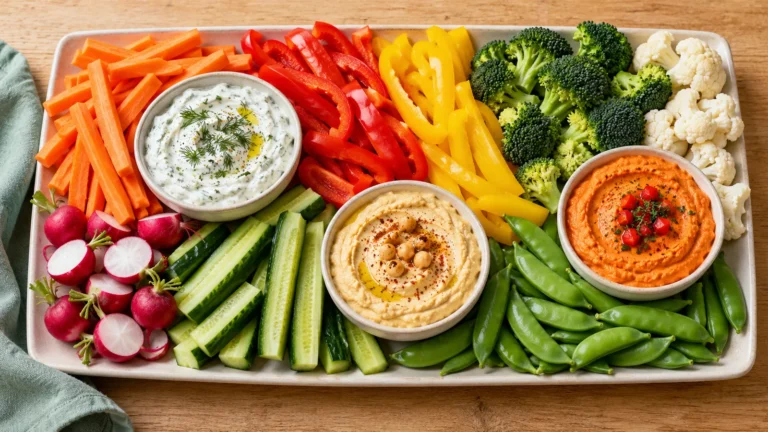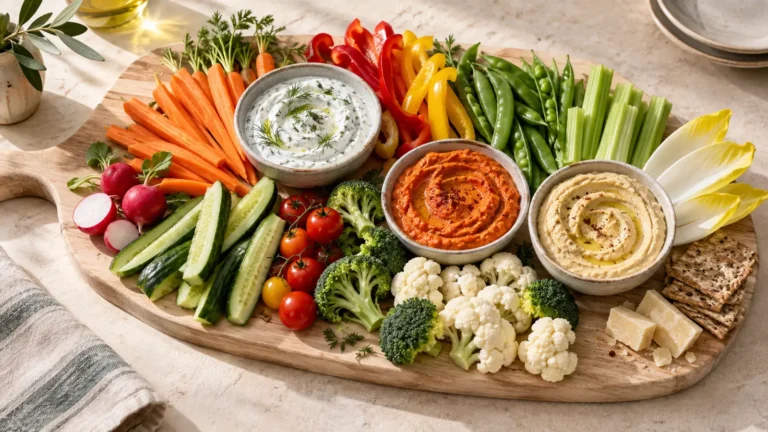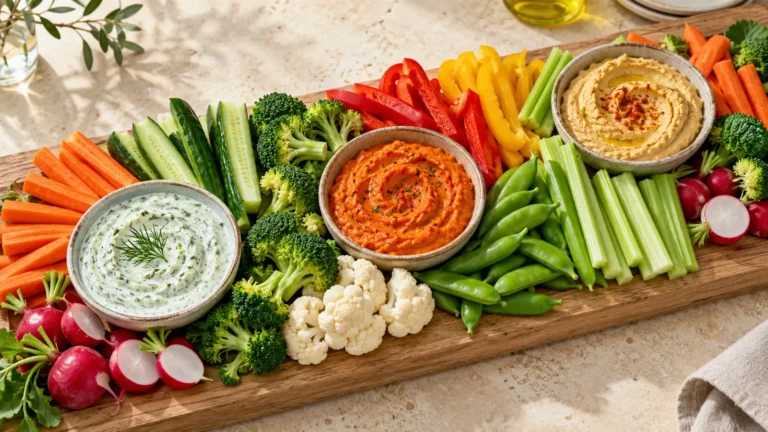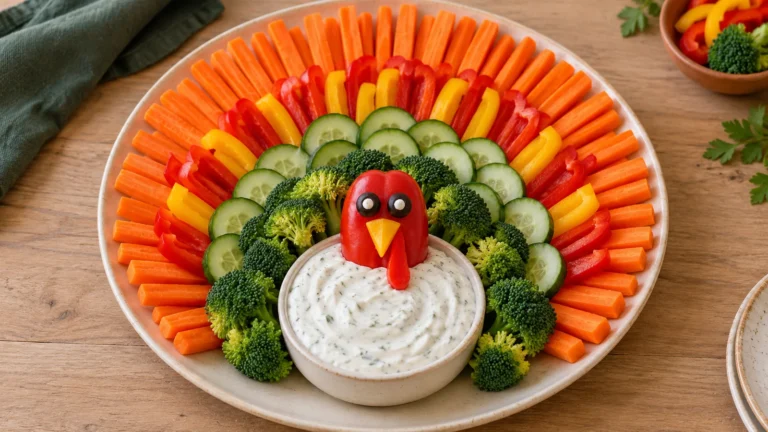
The most useful snackle box ideas combine foods you want to eat with a layout that keeps them in good shape. Think crisp vegetables, a dip in its own closed container, and a separate space for crackers or other dry snacks.
A snackle box is a compartmented snack container arranged like a portable grazing board. For a vegetable-focused version, start with two vegetables, one dip and one crunchy extra. Add fruit or another savory bite if you have room, then pack the container so wet ingredients cannot spill onto the dry ones.
Below are ten combinations to try, a simple two-person packing example and practical tips for keeping the food cold while you travel.
This article contains affiliate links. We may earn a commission if you purchase through them, at no extra cost to you. As an Amazon Associate I earn from qualifying purchases.
What to Put in a Snackle Box
Use the compartments to separate textures, not just colors. A small box with four well-chosen foods can be more useful than a large one filled with ingredients that become soggy together.
| Part of the box | Ideas | Packing tip |
|---|---|---|
| Fresh vegetables | Carrot sticks, cucumber spears, bell pepper strips, celery | Wash, dry and cut to fit without forcing the lid |
| Dip | Hummus, dill dip, yogurt herb dip, black bean dip | Use a separate food container with a secure lid |
| Crunchy extras | Crackers, pita chips, pretzels | Keep in a closed dry compartment or a separate bag |
| Fruit | Whole berries, orange segments, apple slices | Keep juices away from crackers and dips |
| Savory extras | Drained olives, pickles, cooked shelled edamame | Contain wet ingredients and keep perishables chilled |
Use a container intended by its manufacturer for food storage. The tackle-box-inspired name does not mean an actual fishing or craft organizer is suitable for direct contact with food. Check the instructions for the exact container, including its intended use and cleaning method. For layouts, dip cups and lid options, see our guide to choosing a snackle box container.
10 Snackle Box Ideas to Try
These are suggested combinations, not tested meal plans. Adjust the amounts to your appetite, the size of the container and whether the box is a snack or part of a larger meal. All combinations containing cut vegetables or prepared dips need cold storage.
1. Classic Veggies and Dill Dip
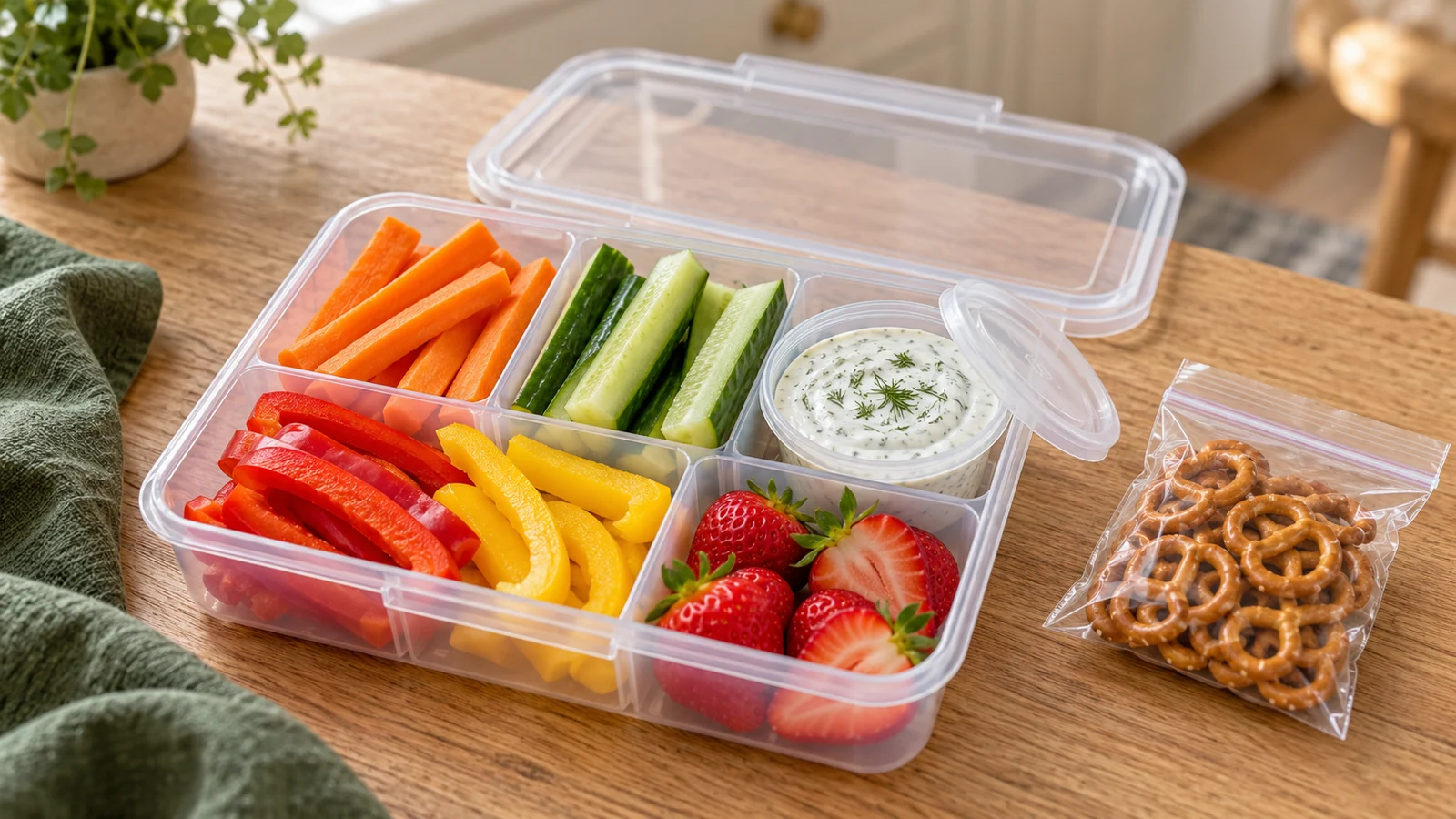
Pack carrot sticks, cucumber spears and bell pepper strips around a closed cup of dill dip. Add pretzels in a separate bag.
This is a straightforward starting point if you want familiar flavors. Cut the cucumber into short spears so the lid closes without pressing them into the dip container.
2. Hummus and Pepper Strips
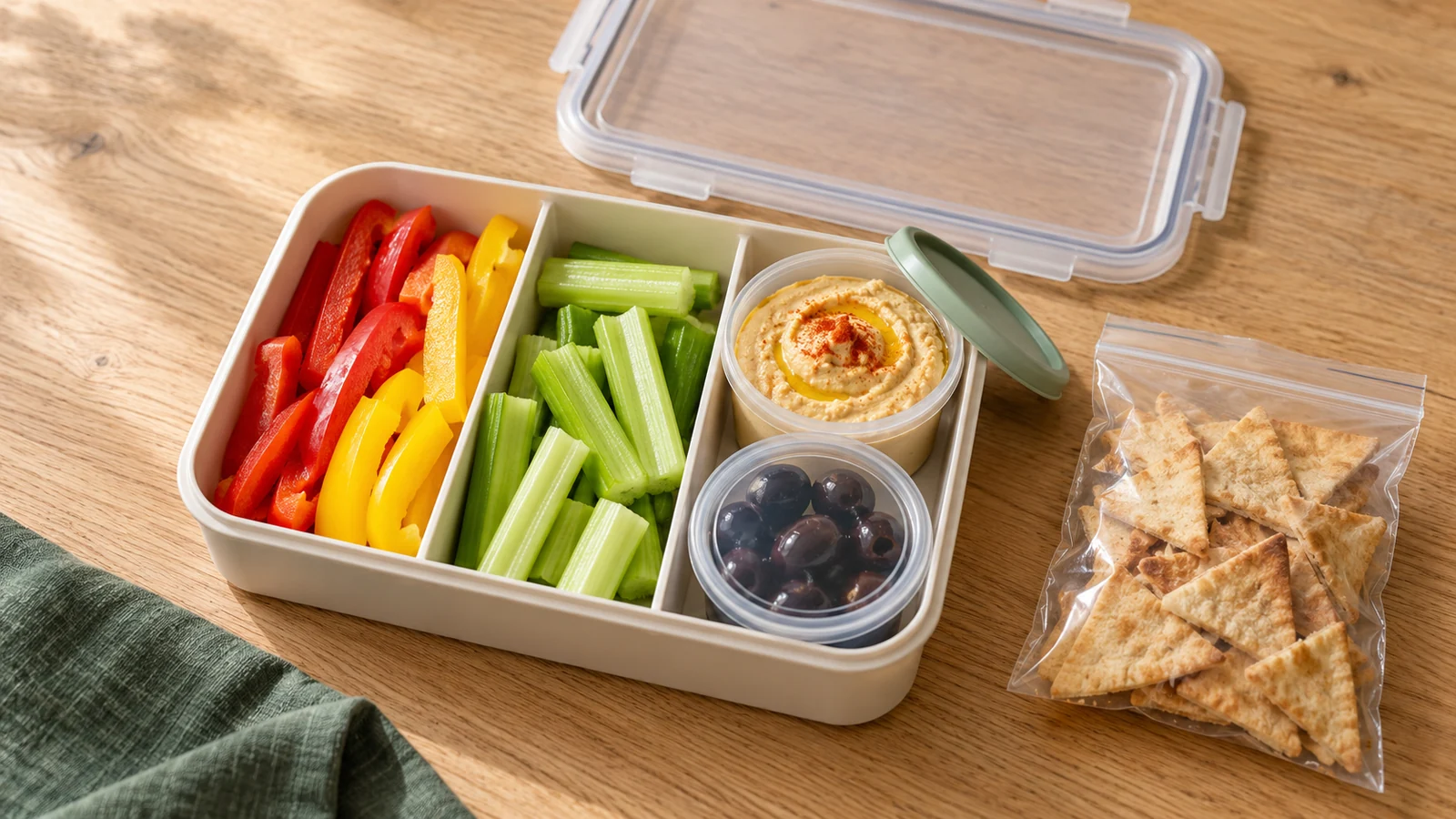
Combine hummus with red and yellow bell peppers, celery and pita chips. A small portion of drained olives adds a salty contrast.
Keep the olives contained rather than scattering them among the chips. For a variation on plain hummus, try caramelized onion hummus.
3. Black Bean Dip and Crunchy Vegetables
Pair black bean dip with bell pepper strips, carrot sticks and sturdy tortilla chips.
Place the chips in a dry pouch alongside the box if the compartments share air or allow moisture to move between them. Pack the dip thick enough to scoop comfortably; its thickness does not make the container leakproof.
4. Green Goddess and Green Vegetables
Use green goddess dip, cucumber spears, celery and sugar snap peas. Add orange bell pepper strips to break up the colors.
Choose a compartment long enough for the celery instead of bending the pieces under the lid. A small fork can help with any vegetables that are awkward to pick up.
5. Whipped Feta with Peppers and Cucumber
Pack whipped feta dip with cucumber, sweet pepper strips and crackers. Keep the crackers separate and the dip cold.
Because feta already brings saltiness, you may prefer to skip extra olives or pickles in this combination. Add another fresh vegetable instead.
6. Pickle-Lover’s Snackle Box
Arrange drained dill pickle spears, olives, celery, carrots and a small portion of crackers. Add a dip only if you want one.
Use individual closed cups for ingredients that release brine. For more ideas built around pickles and vegetables, a relish-style assortment works well without needing cheese or meat.
7. Mild Vegetables and Creamy Herb Dip
Choose cucumber, carrots and sweet bell peppers with a mild herb dip. Add plain crackers in their own wrapper or compartment.
This is useful when sharing with someone who prefers less heat. Keep spicy pickles and hot sauce separate instead of mixing them into the entire box. Check the dip ingredients with your guests rather than assuming a mild flavor means it suits every dietary need.
8. Fruit-and-Veggie Snack Box
Pack carrots and cucumber with strawberries or orange segments, plus a savory dip in a closed cup. Add a separate portion of crackers if desired.
Keep the fruit apart from the vegetables and dip. Juicy fruit belongs in a container that can hold the liquid released during travel, especially if the box may tilt.
9. Two-Dip Sharing Box
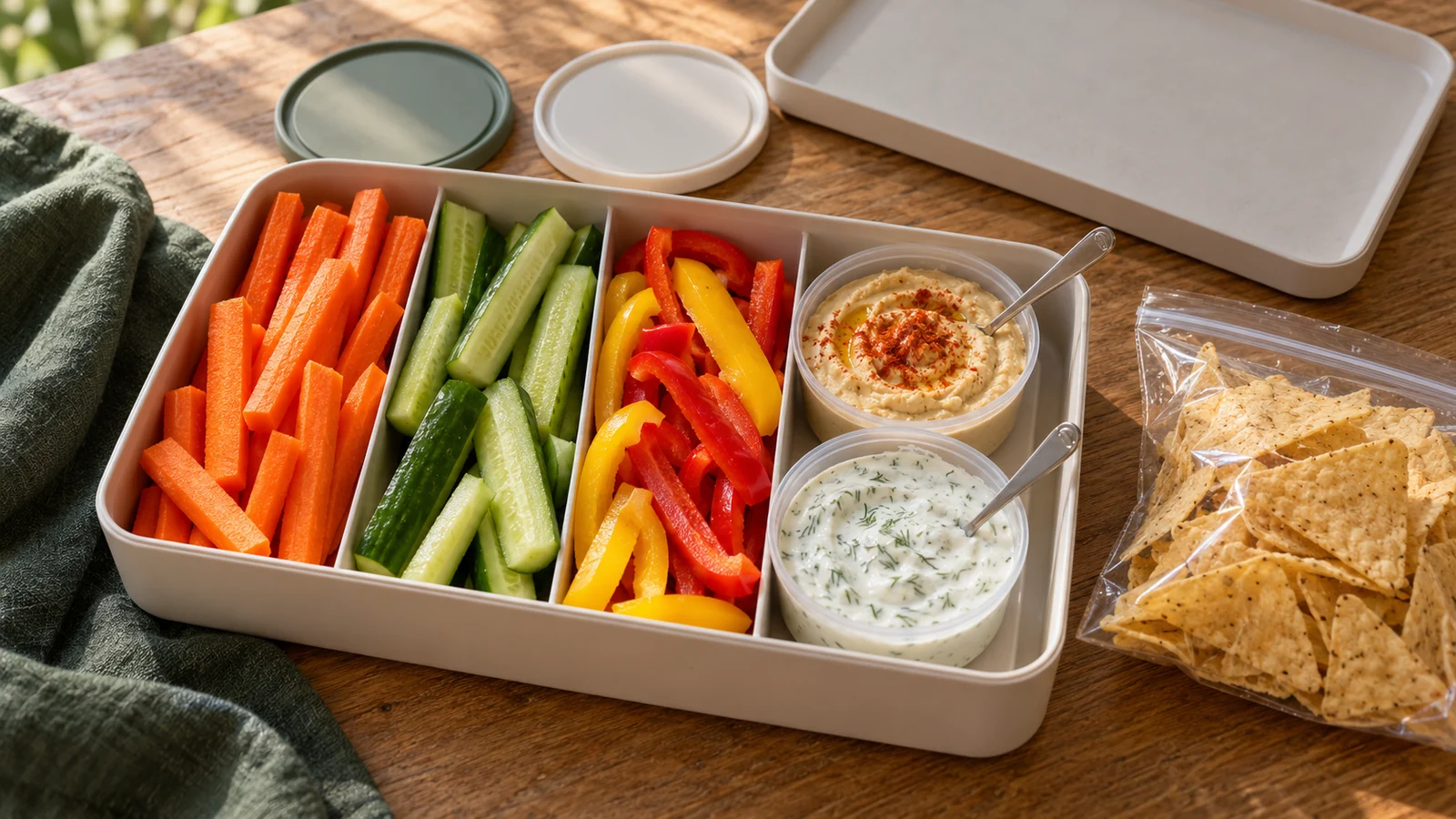
Choose two different flavors, such as hummus and dill dip. Pair them with carrots, cucumber and pepper strips, with chips packed separately.
Divide the total dip amount between the two cups instead of automatically doubling it. Put a serving spoon in each dip when sharing so people can transfer a portion to their own plate.
If you need a box with two sauce cups, the RicheMake eight-compartment snackle box on Amazon is one option to compare. Check the cup closures and liquid-handling instructions before packing dips for travel. The serving illustration shows a food combination, not this specific product.
10. Mini Snackle Box for One
Use a small container for two vegetables and one dip cup, then tuck a small bag of pretzels alongside it. Skip decorative extras that leave too little space for the foods you actually want.
For a mini box, shorter vegetable sticks and a shallow dip cup can be easier to arrange. Measure the cup against the closed box before filling it.
Serving these combinations at home instead of packing them for travel? Our chip and dip bowl guide compares open serving dishes for arranging vegetables, crunchy snacks and dip on the table.
An Easy Packing Example for Two People
For a shared snack alongside other food, start with the following. These are flexible editorial estimates, not a tested yield or a complete meal recommendation.
| Food | Starting amount |
|---|---|
| Carrot sticks | ½ cup |
| Cucumber spears or thick slices | ½ cup |
| Bell pepper strips | ½ cup |
| Dip | ¼–½ cup total |
| Crackers or pretzels | ½ cup, packed separately |
| Optional olives | ¼ cup, drained and contained |
Choose a larger portion if you expect the box to replace part of lunch, or a smaller one if you are serving several appetizers. Do not force the suggested amounts into a container that is too small: the lid should close without crushing the food or dislodging the dip cup.
For a five-section layout with a separate dipping container, consider the Caperci white two-pack on Amazon. The linked package includes two boxes and two dipping containers; check usable space against your portions rather than assuming the amounts above will fit. We have not personally tested either linked product.
If you are planning a larger gathering, use our dip quantity guide rather than scaling a small snack box by appearance alone.
How to Pack a Snackle Box Without Soggy Crackers
Start with Cold, Dry Ingredients
Wash fresh produce before cutting, then dry it thoroughly. The FDA recommends washing produce under running water, without soap or detergent. Keep cut vegetables and dips refrigerated until you pack them.
Drain olives and pickles separately. Surface moisture that looks insignificant at home can spread through a small compartment during the trip.
Give Dip Its Own Lid
An outer box lid may cover every compartment without sealing them individually. Use a separate, suitably closed food container for dip unless the manufacturer specifically confirms that the compartment is designed for liquids and seals appropriately.
Soft liners can help divide foods, but do not assume they create a liquid barrier. Keep the box upright during transport and avoid filling dip cups to the rim.
Pack Dry Snacks Separately When Necessary
If the container does not isolate moisture, put crackers, pretzels and chips into their own bag or small container. Add them to the serving arrangement when you are ready to eat.
This also lets you refill the crunchy foods without opening every chilled compartment.
Keeping a Snackle Box Cold on a Road Trip or Picnic
For perishable foods, use an insulated bag or cooler and maintain a temperature of 40°F (4°C) or below. A compartmented plastic box organizes food; it does not provide refrigeration by itself.
For a packed lunch or snack bag containing perishables, USDA recommends at least two cold sources, such as frozen gel packs. Keep the food chilled until departure and refrigerate it on arrival when possible. Do not assume that adding an ice pack guarantees a particular number of safe hours; conditions and the packing arrangement matter.
Without cold temperature control, limit perishable foods to two hours, or one hour above 90°F (32°C), following FoodSafety.gov guidance. Count time spent packing, traveling and serving together rather than restarting the clock at each stop.
Keep the cooler out of direct sun and open it only when needed. If you cannot keep prepared dips and cut vegetables cold, choose a different selection of foods that do not require refrigeration and follow their labels.
Can You Prepare a Snackle Box the Night Before?
Yes. Prepare the vegetables and dip, place them in suitable covered containers and refrigerate them. Keep dry snacks separate, and transfer the chilled components to your insulated bag just before leaving.
You can assemble the food box ahead if it fits in the refrigerator and its compartments keep the foods separated. Check the instructions for each ingredient or recipe; there is no single storage life that applies to every snackle box.
Pack only what you expect to eat, especially for a long outing. Do not return dip or vegetables from a shared serving box to untouched supplies.
Frequently Asked Questions
What makes a snackle box different from a lunch box?
A snackle box usually presents several small snack foods in separate compartments. A lunch box can hold the same foods, but may use separate containers rather than a grazing-style layout. You do not need a product with “snackle” in its name.
Which dips work well in a snackle box?
Thick, scoopable dips such as hummus, herb dip and black bean dip are convenient choices. Use a closed food container and maintain cold storage. Choose a recipe you enjoy with the vegetables you have packed.
Can I use a fishing tackle box?
Use it for direct food contact only if the manufacturer explicitly identifies that exact product as suitable for food storage. Appearance, a recycling symbol or a claim about one material alone does not establish the intended use of the complete container.
Do snackle boxes have to contain cheese or meat?
No. Vegetables, dip and a crunchy accompaniment are enough for a simple version. You can adjust the combination to your preferences; check individual ingredients if you need to avoid particular allergens.
Can I leave the box in the car?
Do not leave perishable snacks in a car without reliable cold temperature control. Transport them in an appropriate cooler or insulated bag, and follow the temperature and time guidance above.